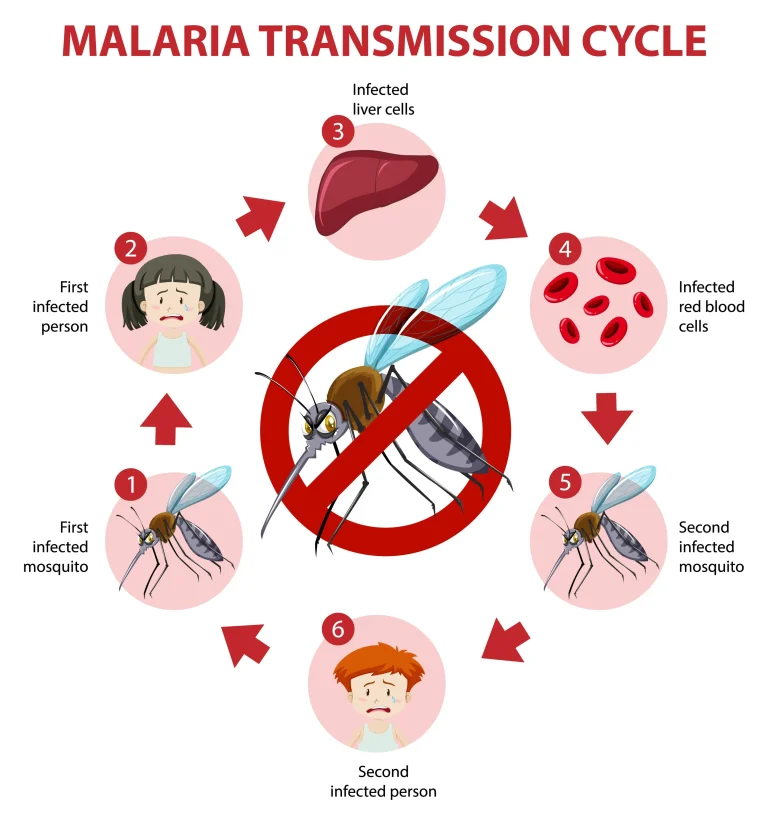
WHO’s annual malaria report.
Table of Contents
WHO’s annual malaria report spotlights the growing threat of climate change.
The World Health Organization (WHO) has reported that malaria cases have increased globally, with an estimated 249 million cases in 2023, a 16 million increase from the pre-pandemic level of 233 million in 2019. The pandemic has also led to challenges such as drug and insecticide resistance, humanitarian crises, resource constraints, climate change impacts, and delays in program implementation. Climate change, which affects temperature, humidity, and rainfall, can directly impact malaria transmission and disease burden. Extreme weather events, such as heatwaves and flooding, can directly impact transmission. The WHO Director-General, Dr Tedros Adhanom Ghebreyesus, emphasized the need for sustainable and resilient malaria responses, coupled with urgent actions to slow global warming and reduce its effects. Climate variability is expected to indirectly affect malaria trends, such as reduced access to essential services and disruptions in the supply chain of insecticide-treated nets, medicines, and vaccines.
Trends in the global malaria burden and response
The COVID-19 pandemic has significantly impacted malaria services, leading to a surge in incidence and mortality rates. In 2022, there were five million malaria cases globally, with Pakistan experiencing the largest increase. Ethiopia, Nigeria, Papua New Guinea, and Uganda also saw significant increases. However, in the 11 countries with the highest burden of malaria, new infections and deaths have leveled off. The WHO’s global malaria strategy is off track, with progress towards critical milestones being off track. WHO Regional Director for Africa, emphasizes the need for a concerted effort to tackle diverse threats, fostering innovation, resource mobilization, and collaborative strategies to forge ahead towards a malaria-free future.
Grounds for optimism
The World Health Organization (WHO) has reported significant progress in malaria control, including the phased roll-out of the first WHO-recommended malaria vaccine, RTS,S/AS01, in three African countries. This has led to a 13% drop in early childhood deaths and a substantial reduction in severe malaria cases. The second safe and effective malaria vaccine, R21/Matrix-M, was recommended in October 2023. Progress towards malaria elimination has been made in many low-burden countries, with 34 countries reporting fewer than 1000 cases in 2022 and three more countries being certified malaria-free this year.
What is needed now?.
The fight against malaria requires a significant shift, involving increased resourcing, political commitment, data-driven strategies, and innovative tools. Addressing climate change requires sustainable, resilient malaria responses, requiring whole-of-society engagement for integrated approaches.