Medicine / IM

  • Juvenile Idiopathic Arthritis / JIA

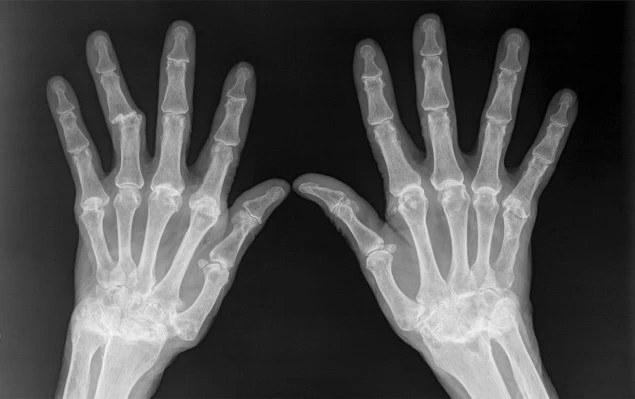
    Juvenile idiopathic arthritis (JIA), previously known as juvenile rheumatoid arthritis, is the most common type of chronic arthritis in children. It causes joint inflammation and pain that can affect growth and development. While there is no cure for JIA, with early diagnosis and proper treatment, outcomes have improved significantly allowing children to live active lives. In this article, we’ll provide an overview of JIA, looking at the symptoms, causes, risk factors, complications, diagnosis, treatment, and tips for prevention.

  • Hashimoto’s Disease

    Hashimoto’s disease, also known as chronic lymphocytic thyroiditis, is an autoimmune disorder that affects the thyroid gland. It is the most common cause of hypothyroidism in the United States. In Hashimoto’s disease, the immune system mistakenly attacks the thyroid, causing inflammation and interfering with the gland’s ability to produce thyroid hormones. This results in a…

  • Gout

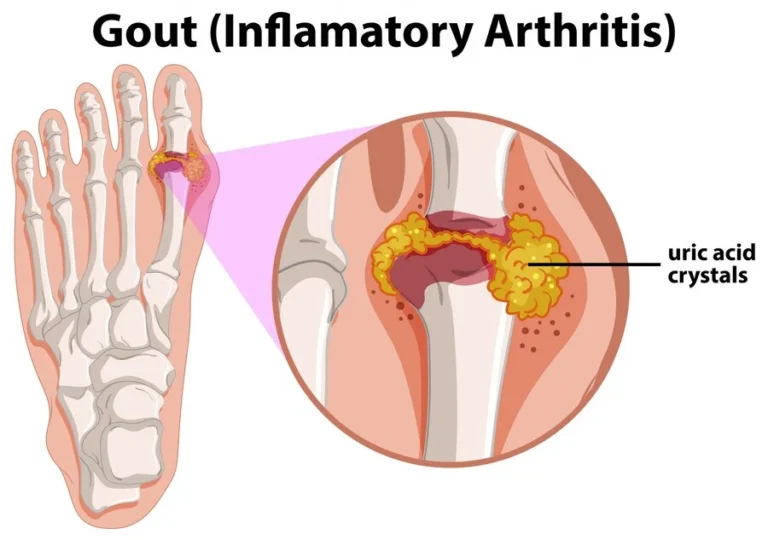
    Gout is a form of inflammatory arthritis that occurs when uric acid crystals build up in the joints and soft tissues. This causes sudden and severe pain, swelling, redness and tenderness in the affected joints, often the big toe. Gout flare-ups can come on quickly and without warning.

  • Rheumatoid Arthritis

    Rheumatoid arthritis is an autoimmune disorder, meaning the body’s immune system attacks its own healthy tissues. In the case of RA, the immune system targets the synovium – the thin membrane that lines the joints. This causes inflammation, swelling, pain, and stiffness in the joints. Over time, uncontrolled inflammation can damage the cartilage and bone within joints.

  • Cushing syndrome

    Cushing syndrome, also known as hypercortisolism, is a condition caused by prolonged exposure to high levels of the hormone cortisol. Cortisol is a steroid hormone produced by the adrenal glands and plays an important role in regulating metabolism, immune function, blood pressure, and other essential functions.

  • Goiter

    A goiter is an abnormal enlargement of the thyroid gland. The thyroid gland is located at the base of the neck, just below the Adam’s apple. It is a butterfly-shaped gland that produces thyroid hormones which help regulate growth, metabolism, and other important body functions. When the thyroid becomes enlarged, it can cause a swelling or lump in the neck that is called a goiter

  • Addison’s disease

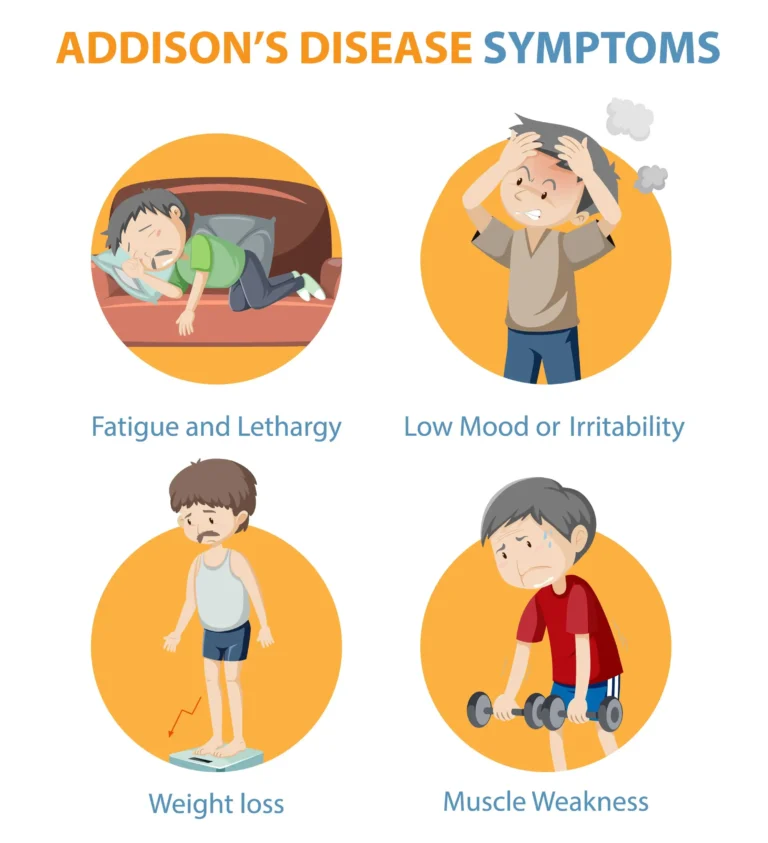
    Addison’s disease, also known as primary adrenal insufficiency, is a rare endocrine disorder that affects the adrenal glands. In this disease, the adrenal glands do not produce enough cortisol and aldosterone – hormones that help regulate your body’s metabolism, immune system, blood pressure and response to stress. Addison’s disease can occur at any age, but is most commonly diagnosed in people aged 30 to 50. Getting diagnosed and beginning treatment for Addison’s disease is important, as the condition can be life-threatening if left untreated. This article will provide an overview of Addison’s disease, its causes, symptoms, diagnosis and available treatments.

  • Anaphylaxis

    Anaphylaxis is a serious allergic reaction that is rapid in onset and may cause death. It affects the whole body within minutes of exposure to an allergen and can be fatal if not treated immediately. This potentially life-threatening condition requires urgent medical care and follow up after the reaction. In this blog post, we will discuss what is anaphylaxis, the stages, symptoms, causes, risk factors, diagnosis, treatment, prevention, and potential complications. Understanding the signs and symptoms and getting immediate medical care for anaphylaxis can save lives.