Chia Seeds May Help Lower Blood Pressure And Reduce The Risk Of Cancer.
Table of Contents
A new research review published in January 2023 suggests that consuming chia seeds may help lower blood pressure and reduce the risk of cancer. The paper adds to previous evidence on the health benefits of chia seeds, a nutrient-dense food native to South America. This article explores what the latest research tells us, why chia seeds may be beneficial for hypertension and cancer prevention, and how to safely add more chia seeds into your diet.
What Are Chia Seeds?
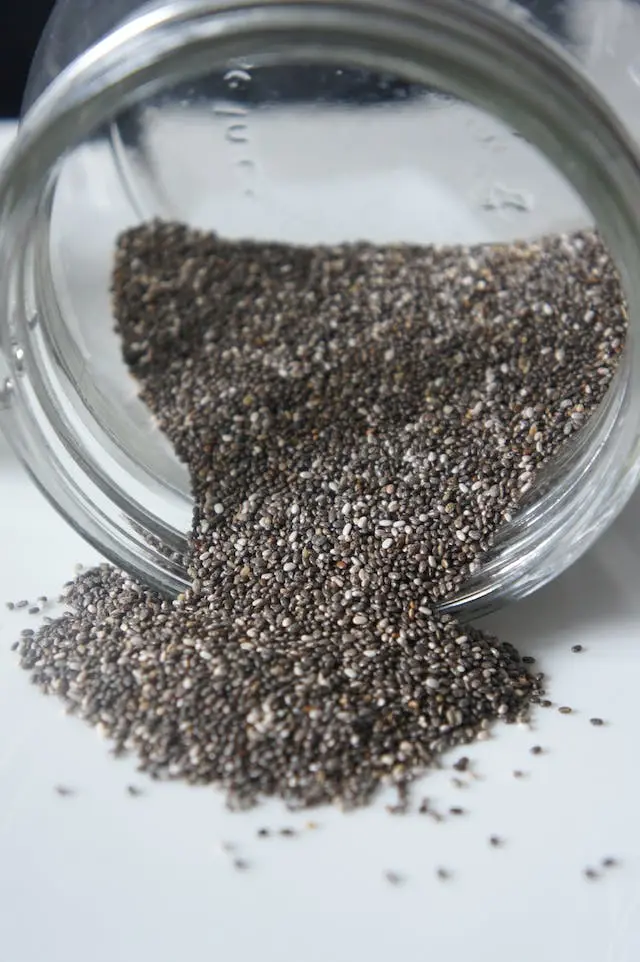
Chia seeds come from the Salvia hispanica plant, which is part of the mint family. They are tiny black or gray seeds, about 2 millimeters in size. A distinguishing feature of chia seeds is their ability to absorb up to 12 times their weight in liquid, forming a gel-like substance. In addition to fiber and protein, chia seeds contain healthy fats like omega-3 fatty acids, as well as antioxidants, minerals, and polyphenols. They have long been studied for both their nutritional content and potential therapeutic effects.
Key Findings from the Latest Research
The recent genome sequencing analysis provides new insights into the genetic composition of chia seeds. Researchers identified genes related to the production of beneficial compounds like polyunsaturated fatty acids (PUFAs), proteins, and peptides. These substances may have anti-inflammatory, blood pressure lowering, and blood sugar regulating effects when consumed. While more research is still needed, mapping the chia genome is an important first step in better understanding how the nutrients in chia seeds impact human health. This can inform future nutrition studies and may enable targeted breeding efforts to enhance levels of health-promoting compounds.
Potential Hypertension Benefits
The omega-3 fatty acids found abundantly in chia seeds may help reduce high blood pressure. Research indicates higher omega-3 intake is associated with lower blood pressure. One small 2021 study of adults with type 2 diabetes saw reductions in systolic blood pressure after 12 weeks of consuming at least 40 grams daily of chia seeds. The blood pressure lowering effects are likely due to omega-3s’ role in improving blood vessel elasticity and promoting vasodilation.
Potential Cancer Prevention Benefits
Chia seeds are rich in antioxidants like chlorogenic acid, myricetin, quercetin, and kaempferol. These compounds help protect cells from damage caused by oxidative stress and inflammation – key factors in cancer development. The antioxidants and polyphenols in chia seeds may confer protective benefits by neutralizing free radicals and preventing prolonged inflammatory responses. More research is still needed, but increasing antioxidants through foods like chia seeds may be a safe adjunct to traditional cancer therapies.
Incorporating Chia Seeds Into Your Diet
As part of a nutritious, balanced diet, chia seeds can be a healthy addition for most people. Introduce them gradually and stay well hydrated when eating chia seeds to allow time for your body to adjust and prevent digestive issues. Ground chia seeds are more easily absorbed than whole. Here are some simple ways to add more chia:
- Sprinkle ground or whole chia seeds onto oatmeal, yogurt, cottage cheese, or salad.
- Make chia pudding by mixing seeds with milk or non-dairy milk alternative and refrigerating overnight.
- Add a tablespoon of chia to smoothies without adjusting other ingredients.
- Whisk a chia egg (1 tbsp chia seeds + 3 tbsp water) in place of an egg in baked goods.
Start with a small daily amount such as 1-2 teaspoons and gradually work up to 1-2 tablespoons per day, drinking plenty of fluids. Be sure to store chia seeds in an airtight container in the fridge or freezer to preserve freshness and nutrient content. Incorporating nutrient-packed chia seeds along with an overall balanced diet and healthy lifestyle habits may help support cardiovascular and cancer risk reduction. More research is underway to better understand optimal intake recommendations.