Dengue Fever
Table of Contents
Introduction
Dengue fever, also known as breakbone fever, is a mosquito-borne tropical disease caused by the dengue virus. According to the World Health Organization, dengue is one of the fastest spreading vector-borne diseases, with over 3.9 billion people in 128 countries at risk. It causes flu-like symptoms and in rare cases develops into a potentially lethal complication called severe dengue. With the disease spreading rapidly, being aware of its symptoms, causes, risk factors and learning ways to prevent is critical.
Symptoms
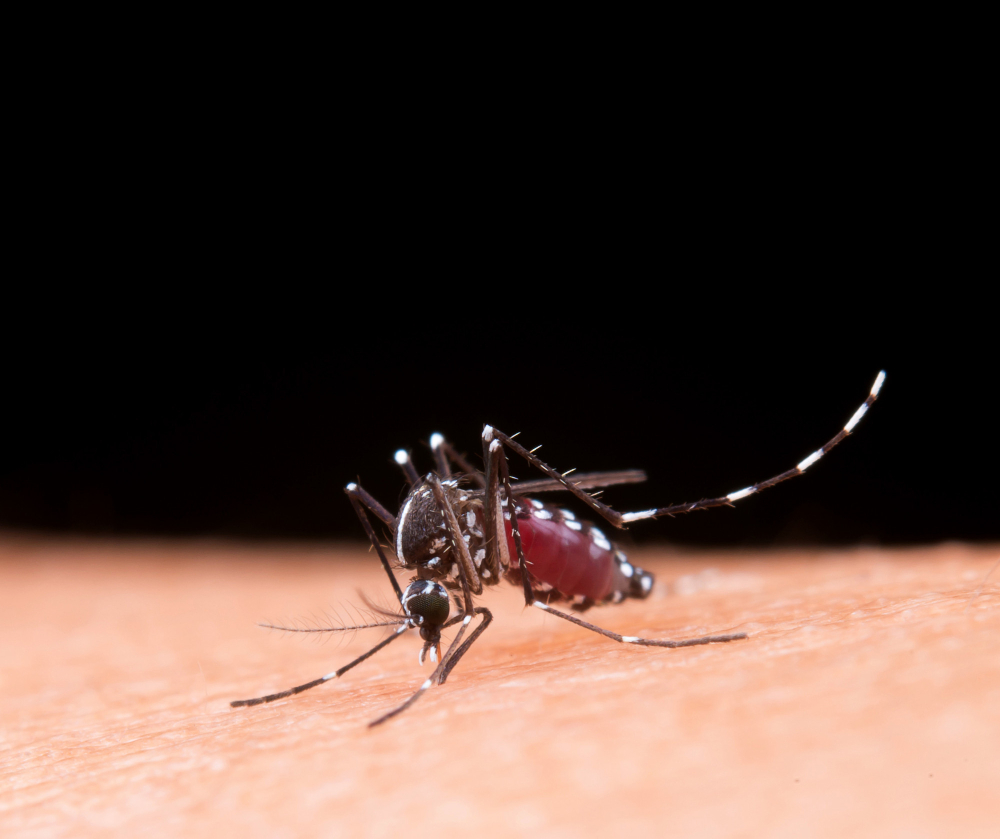
The symptoms of dengue usually begin 4–10 days after infection from an infected Aedes species mosquito bite. The most common symptoms include:
- High fever up to 104oF
- Severe headache
- Pain behind the eyes
- Muscle and joint pain
- Nausea and vomiting
- Swollen glands
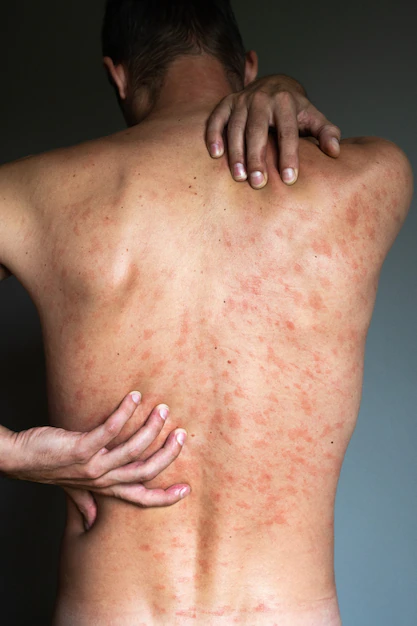
- Rash
The acute phase lasts 2-7 days and is followed by recovery. However, some people progress to severe dengue featuring bleeding, low blood pressure, and damage to lymph and blood vessels. Without prompt treatment, the blood vessels can leak leading to dengue shock syndrome and possibly death.
Causes
Dengue fever is caused by four closely related viruses named DEN-1, DEN-2, DEN-3 and DEN-4. These dengue viruses belong to the Flaviviridae family and they are primarily transmitted by Aedes aegypti and Aedes albopictus mosquitoes which are found throughout the tropics and subtropics.
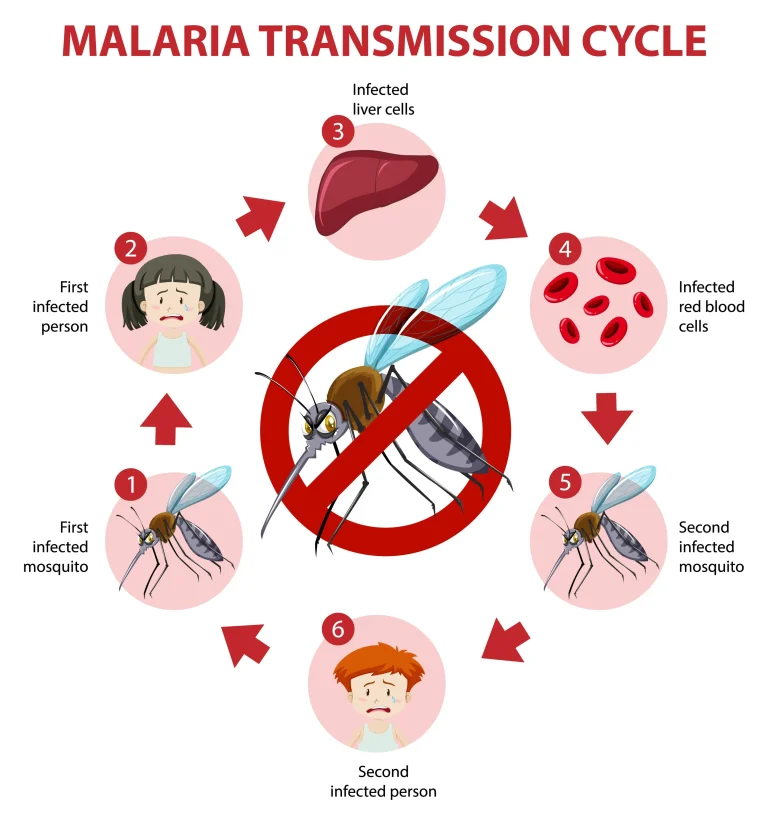
When an infected female mosquito bites a person and draws blood, the virus is injected into the bloodstream from the mosquito’s saliva. The virus then reproduces inside certain white blood cells like monocytes, macrophages and dendritic cells, spreads into the bloodstream and causes infection.
Risk factors
Some factors that increase the risk of contracting dengue or developing severe dengue include:
- Living or traveling in tropical areas with dense mosquito population
- Prior infection with a different dengue virus type
- Being a child or adult younger than 15 years or older than 45 years
- Having chronic diseases like diabetes and asthma
- Being female
- Being non-black ethnicity
Complications
Some of the complications associated with severe dengue infections are:
- Dengue shock syndrome – Plasma leak leading to fluid accumulation, respiratory distress, severe bleeding, and organ impairment. It has a mortality rate of more than 20% if left untreated.
- Dengue hemorrhagic fever – Disruption of blood vessels leading to bleeding in the skin, nose or gums along with possible abdominal pain and vomiting blood.
- Organ disturbance – Liver enlargement, central nervous system disorders like seizures, and heart abnormalities.
- Disseminated intravascular coagulation (DIC) – Widespread blood clotting obstructing blood supply to organs.
Diagnosis
Dengue is often hard to diagnose because early symptoms can resemble other viral infections like chikungunya, Zika and influenza. Doctors use the following diagnostic tests:
- Serology tests like ELISA or rapid tests to detect antibodies produced in response to the dengue virus.
- RT-PCR test – Detects viral RNA in the first seven days of illness
- Virus isolation method – Using blood samples, the virus is grown in cells or mosquitoes for identification.
A complete blood count is also done frequently. A falling white blood cell count combined with low platelets and possible plasma leakage in ultrasound is strongly suggestive of progressing to severe dengue.
Procedures
There are no specific medicines or procedures that can treat dengue itself. However, judiciously managing and closely monitoring severe cases is critical. Important aspects include:
- Hospitalizing patients with warning signs like persistent vomiting, swelling, bleeding, drowsiness, and abdomen pain.
- Checking vital signs, urine output, hematocrit and platelets multiple times a day to spot plasma leakage.
- Getting ultrasound, x-rays and ECG as needed to check for fluid accumulation and organ problems.
- Giving intravenous fluids according to World Health Organization (WHO) guide to maintain circulation and prevent shock.
- Getting blood products like platelets and fresh frozen plasma in case of severe thrombocytopenia or bleeding.
- Using physical means like bed nets, skin moisture and antipyretics to control fever and pain.
Treatment
There are no specific medicines that can treat dengue fever or approved vaccines for humans yet. Treatment relies on:
- Resting in bed and drinking plenty of fluids to avoid dehydration
- Taking over-the-counter painkillers like acetaminophen to relieve fever and pain. Avoid aspirin as it can increase bleeding risk.
- For severe dengue cases, hospital care with strict monitoring and tended to prevent organ damage and shock syndrome via blood tests, maintaining fluid balance, and getting blood products as needed.
Prevention
As treatment options remain limited, prevention is key to reducing dengue morbidity and mortality. Some preventive steps include:
- Eliminating Aedes mosquito sites by getting rid of all standing water containers and cleaning water storage tanks in homes.
- Adding larvicides to standing water and spraying insecticides to kill adult mosquitoes.
- Using screens and nets on windows and doors to avoid mosquito bites when indoors.
- Applying mosquito repellents like DEET on exposed skin when outdoors.
- Wearing full sleeve shirts and trousers to cover skin as much as possible.
- Getting rid of trash in neighborhoods to eliminate breeding habitats.
- Educating communities to recognize dengue symptoms and seek early treatment.
Research Advancements
Significant progress has been made in dengue research over the last decade through global shared efforts bringing hope to taming this threatening disease. Some promising updates include:
- A safe and effective vaccine called Dengvaxia that protects against severe dengue in high transmission areas but needs more testing before full adoption.
- Simpler diagnostic tests like NS1 antigen strip assays which offer results in minutes compared to hours or days needed for other methods.
- Novel drugs that target different aspects of dengue infection, replication and pathology are progressing through clinical trials. Multiple candidates with high efficacy present the possibility of effective anti-dengue medications in the near future.
- Special dengue monoclonal antibodies derived from older healthy adults seem to be effective in treating all patients including infants with some already receiving FDA approval.
- Novel disease simulation models using digital mapping, climate data and transportation patterns are being used by public health departments to predict outbreaks and target intervention measures better.