Gout
Table of Contents
What is Gout?
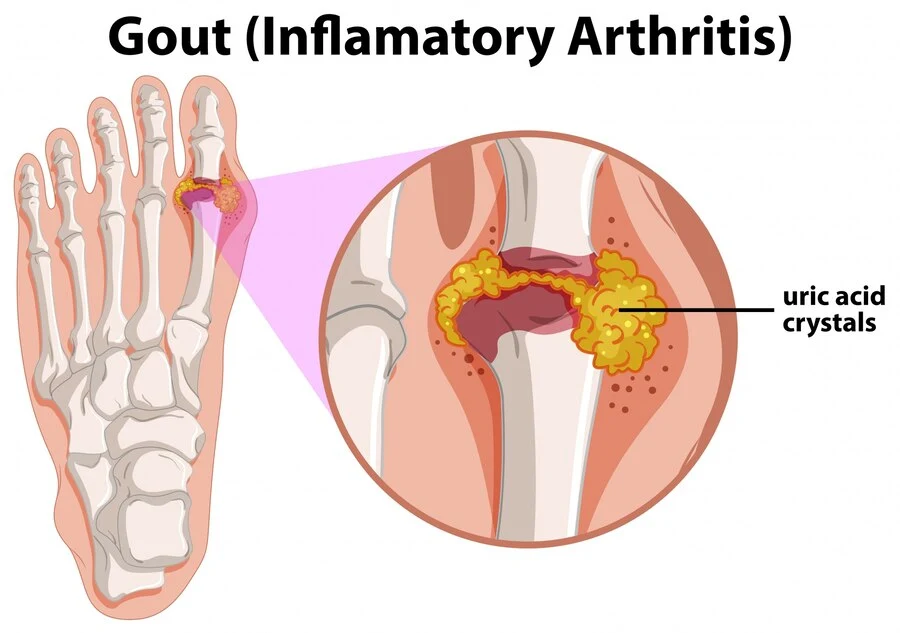
Gout is a form of inflammatory arthritis that occurs when uric acid crystals build up in the joints and soft tissues. This causes sudden and severe pain, swelling, redness and tenderness in the affected joints, often the big toe. Gout flare-ups can come on quickly and without warning.
Gout is caused by having high levels of uric acid in the blood. Uric acid is produced when the body breaks down purines – substances found naturally in some foods and human cells. Normally, uric acid dissolves in the blood and passes through the kidneys into the urine. But in some people, uric acid builds up and forms needle-like crystals in the joints and soft tissues. These uric acid crystals cause the inflammation and pain of a gout attack.
Symptoms of Gout
Gout symptoms come on suddenly and can be extremely painful. Symptoms include:
- Intense joint pain – often in the big toe, but can occur in the feet, ankles, knees, hands and wrists. Pain is most severe within the first 12-24 hours
- Red, swollen and tender joint – symptoms are usually worst in the big toe joint
- Joint warmth, stiffness and swelling
- Skin over the joint can be shiny and tight
- Fever may occur
Without treatment, a gout attack usually lasts 3-10 days. Recurring attacks of gout can lead to gouty arthritis, a worsening form of arthritis. Advanced gouty arthritis can permanently damage joints and kidneys.
Causes and Risk Factors for Gout
Gout occurs when the body has high levels of uric acid. Causes include:
- Diet – foods high in purines and high-fructose corn syrup can raise uric acid levels
- Genetics – family history of gout increases risk
- Medical conditions – high blood pressure, diabetes, metabolic syndrome and kidney disease increase risk
- Medications – diuretics, aspirin, some cancer drugs
- Weight – being overweight increases production of uric acid
- Gender – gout is more common in men after puberty
- Age – gout risk increases with age
Complications of Gout
Untreated gout attacks can lead to increasingly frequent and painful flare-ups. Possible gout complications include:
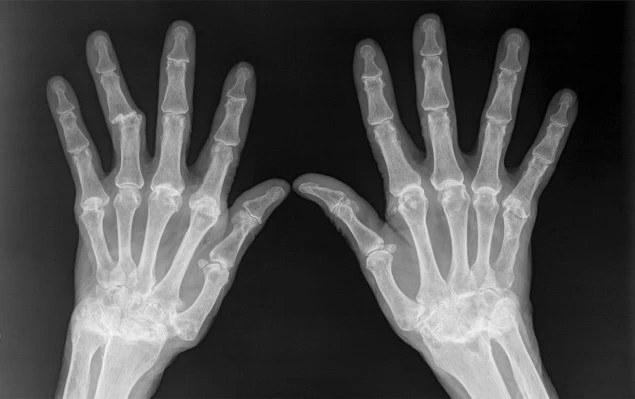
- Chronic gout – uric acid crystals may deposit in joints and soft tissues, forming tophi (lumps). This can cause joint damage and deformities.
- Recurring attacks – without treatment, gout attacks tend to recur more frequently and last longer
- Advanced gout – tophi can develop in joints, bones and soft tissues, leading to loss of joint function
- Kidney stones – uric acid crystals can collect in the urinary tract, causing kidney stones
- Kidney disease (gouty nephropathy) – uric acid crystals can collect in the kidneys, leading to kidney disease
Diagnosing Gout
Gout diagnosis involves a medical history, physical exam and possible diagnostic tests:
- Medical history – the pattern of symptoms helps distinguish gout from other forms of arthritis
- Physical exam – looks for redness, swelling and tenderness of affected joints
- Blood tests – checks uric acid levels. Levels above 6.0 mg/dL indicate gout.
- Joint fluid test – looks for uric acid crystals in fluid drawn from the affected joint
- Imaging tests – ultrasound or CT scans can detect uric acid crystals in tissues
Treatment for Gout Attacks
The goals of gout treatment are to manage pain during acute attacks and prevent future gout flares. Treatment may involve:
- Medications – Nonsteroidal anti-inflammatory drugs (NSAIDs), corticosteroids, or colchicine help reduce inflammation and pain.
- Joint aspiration – removing fluid from the affected joint can relieve pressure and pain.
- Ice/cool compress – applying ice packs can decrease swelling and pain.
- Rest and elevation – resting the affected joint and keeping it elevated above heart level helps minimize swelling.
Preventing Further Gout Attacks
After an acute gout attack subsides, treatment focuses on preventing future gout flares. This may include:
- Uric acid-lowering therapy – Medications like allopurinol help lower uric acid levels in the blood. The goal is a level below 6.0 mg/dL.
- Lifestyle changes – Losing weight, limiting alcohol, staying hydrated, and avoiding trigger foods can help lower uric acid levels.
- Foods to avoid – Meat, seafood rich in purines, sugary drinks and foods with high-fructose corn syrup can raise uric acid.
- Diet – Eating a balanced diet with fruits, vegetables, low-fat dairy and whole grains is recommended.
- Exercise – Regular activity helps lower uric acid levels and maintain joint mobility.
The pain and discomfort of gout flares can be debilitating. See a doctor right away for proper diagnosis and treatment. With medication and lifestyle changes, gout can often be well-managed. Early treatment helps minimize joint damage and prevents recurrent painful gout attacks.