Hashimoto’s Disease
Table of Contents
Hashimoto’s disease, also known as chronic lymphocytic thyroiditis, is an autoimmune disorder that affects the thyroid gland. It is the most common cause of hypothyroidism in the United States. In Hashimoto’s disease, the immune system mistakenly attacks the thyroid, causing inflammation and interfering with the gland’s ability to produce thyroid hormones. This results in a gradual decline in thyroid function.
Symptoms of Hashimoto’s Disease
The most common symptoms of Hashimoto’s disease include:
- Fatigue and sluggishness
- Weight gain or difficulty losing weight
- Dry, coarse skin
- Hair loss
- Sensitivity to cold temperatures
- Muscle aches and stiffness
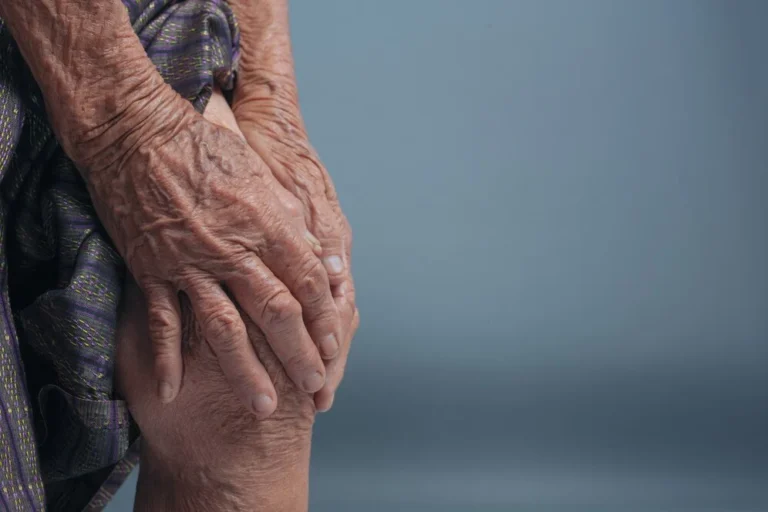
- Joint pain
- Depression
- Forgetfulness and impaired memory
- Constipation
- Heavy or irregular menstrual cycles
The symptoms tend to develop slowly over time as the thyroid function declines. They can vary from person to person and may come and go. Many people attribute the symptoms to other causes and do not realize they have a thyroid problem until the disease progresses.
Causes and Risk Factors of Hashimoto’s Disease
The exact cause of Hashimoto’s disease is not fully understood, but it involves a combination of genetic and environmental factors. Risk factors include:
- Family history: Having a family member with Hashimoto’s increases your risk.
- Age: It most commonly affects middle-aged women but can develop at any age.
- Gender: Women are much more likely to develop Hashimoto’s than men.
- Pregnancy: The disease often presents for the first-time during pregnancy or shortly after giving birth.
- Radiation exposure: Received radiation treatment to the head, neck or chest can increase risk.
- Viral infections: Exposure to certain viruses is thought to trigger the disease in some cases.
- Other autoimmune disorders: People with other autoimmune diseases like rheumatoid arthritis are more likely to get Hashimoto’s.
There also appears to be a genetic predisposition in Hashimoto’s disease. Variations in certain genes seem to make people more prone to developing thyroid autoimmunity.
Complications of Hashimoto’s Disease
Left untreated, Hashimoto’s disease can cause various complications:
- Goiter: The inflamed thyroid gland can become enlarged, forming a noticeable goiter in the neck.
- Myxedema: Rare, life-threatening form of advanced hypothyroidism. Can lead to heart failure, hypothermia and coma if not treated.
- Mental health problems: Depression, anxiety, moodiness are common. Can also worsen existing mental health disorders.
- Birth defects: Untreated hypothyroidism during pregnancy is associated with an increased risk of birth defects and miscarriage.
- Heart problems: Increased risk of heart failure, atherosclerosis and heart attacks from high cholesterol and inflammation.
- Peripheral neuropathy: Numbness and tingling in the extremities.
- Hearing loss: May be irreversible if hypothyroidism is poorly controlled.
Fortunately, most complications can be prevented with early treatment and maintaining normal thyroid hormone levels.
Diagnosis of Hashimoto’s Disease
Hashimoto’s is often suspected based on symptoms, personal and family history, and physical examination. Common diagnostic tests include:
- Blood tests: Measuring TSH and thyroid hormone levels. Elevated TSH with low FT4 and FT3 indicates Hashimoto’s.
- Thyroid antibodies test: Presence of thyroid peroxidase (TPOAb) and thyroglobulin antibodies confirms autoimmune thyroiditis.
- Ultrasound: Can detect thyroid enlargement and inflammation characteristic of Hashimoto’s.
- Radioactive iodine uptake test: Looks at ability of thyroid to take up iodine. Low uptake indicates Hashimoto’s hypothyroidism.
If results indicate Hashimoto’s, regular monitoring of thyroid levels is necessary to determine the need for treatment.
Hashimoto’s Disease Treatment
There is no cure for Hashimoto’s disease. However, symptoms can be managed with medications and lifestyle changes:
- Levothyroxine: Synthetic thyroid hormone used to replace the body’s low levels and regulate TSH. Most patients require lifelong treatment.
- Beta blockers: May be used to ease symptoms like rapid heart rate, tremor, and anxiety until thyroid levels stabilize.
- Vitamin D supplements: Many patients are deficient and supplements can help relieve fatigue and pain.
- Selenium supplements: May help lower thyroid antibodies in some cases.
- Anti-inflammatory diet: Can help minimize inflammation and symptoms. Emphasizes fruits, vegetables, omega-3s and avoiding gluten, soy and refined foods.
- Moderate activity: Light exercise can improve stamina and muscle strength when hypothyroidism is well controlled.
- Stress management: Techniques like meditation, yoga, massage help manage disease-related stress and anxiety.
- Adequate sleep: Important for managing fatigue and promoting healing.
With appropriate treatment tailored to the individual, most people with Hashimoto’s disease can live normal, active lives.
Prevention
There are no proven ways to prevent Hashimoto’s disease. However, the following practices may be beneficial:
- Eat a nutritious, anti-inflammatory diet high in fruits, vegetables and lean proteins.
- Achieve or maintain a healthy body weight. Obesity appears to promote thyroid autoimmunity.
- Supplement with selenium and vitamin D. They play a role in thyroid function.
- Treat intestinal infections, yeast overgrowth and food sensitivities that can trigger inflammation.
- Avoid unnecessary x-rays or scans of the head, neck or chest region. Radiation exposure increases future risk.
- Manage stress levels through relaxation techniques, sufficient sleep and saying no to overwhelm. Chronic stress takes a toll on immunity.
- Have thyroid hormones monitored regularly, especially during pregnancy, so problems can be caught early.
- Take prescribed medications consistently and talk to your doctor about any unusual symptoms right away.
In summary, Hashimoto’s disease is the leading cause of underactive thyroid. With an early diagnosis and proper treatment, it is possible to manage symptoms successfully. Patients must monitor thyroid levels closely, adhere to medications, eat a balanced diet and reduce inflammation to optimize health outcomes.