Ulcerative Colitis
Table of Contents
Introduction
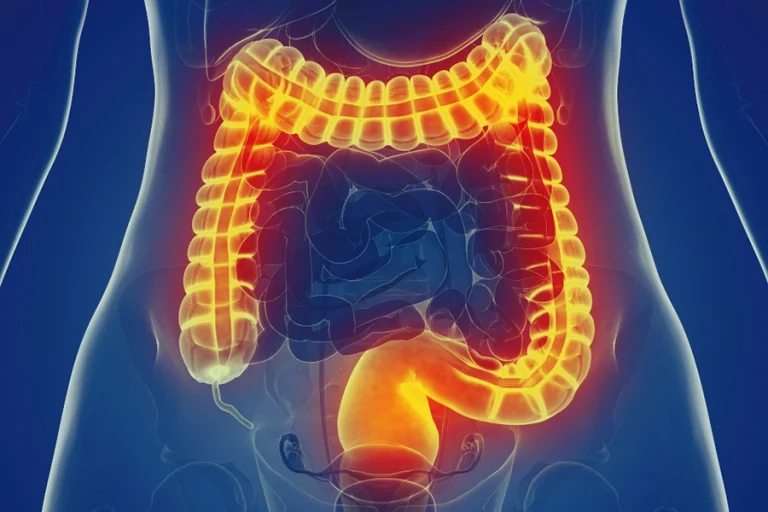
Ulcerative colitis (UC) is an inflammatory bowel disease that causes long-lasting inflammation and ulcers in the digestive tract. Specifically, UC affects the large intestine (colon) and the rectum. The symptoms typically come and go, with periods where the disease flares up and active symptoms alternate with periods of remission where the person feels better. Getting an accurate diagnosis and following an effective treatment plan to manage flares is key for those living with ulcerative colitis.
Symptoms
The most common ulcerative colitis symptoms include:
- Diarrhea mixed with blood and mucus
- Abdominal pain and cramping
- Anemia
- Fatigue
- Reduced appetite and weight loss
- Fever
- In children specifically, ulcerative colitis may delay growth and sexual development
The symptoms range from mild to severe depending on how much of the colon is inflamed. Periods of active flare ups also vary in duration from person to person.
Types of Ulcerative Colitis
There are a few subtypes of ulcerative colitis classified by how much of the colon and rectum are affected:
- Ulcerative proctitis: Inflammation limited to the rectum
- Proctosigmoiditis: Inflammation in the rectum and the sigmoid colon (the portion closest to the rectum)
- Left-sided colitis: Inflammation starts from the rectum and extends up the left side of the colon
- Pancolitis: Entire colon is affected from the cecum (the beginning of the colon) to the rectum
Causes
While the exact causes are not fully understood, it’s believed that ulcerative colitis involves an abnormal response from the body’s immune system. Normally the immune system helps fight infections, but in people with UC it mistakes food, good bacteria, and other materials in the intestine for foreign or invading substances and mounts an attack.
This triggers inflammation as the body sends white blood cells into the lining of the intestines where the damages tissues and causes those ulcerations along the colon.
In addition to immune system abnormalities, genetics and environmental factors seem to play a role. UC sometimes runs in families and certain genetic markers have been identified. Smoking, taking certain medications, or having a prior infection are also tied to developing the condition in those with genetic susceptibility.
Risk Factors
A number of risk factors are linked to increased likelihood of developing ulcerative colitis:
- Family history of IBD
- Age between 15-35 years old
- Being Caucasian or of Ashkenazi Jewish descent
- Living in urban areas or northern climates
- History of appendicitis
- Frequent antibiotic use
- Stress
- Smoking (increases risk of developing UC, but nicotine may reduce symptoms once diagnosed)
Complications
If left poorly controlled, ulcerative colitis can lead to a number of serious complications including:
- Increased colon cancer risk
- Bowel perforation (hole form in intestines)
- Severe bleeding
- Toxic megacolon (colon becomes very swollen and dilated)
- Primary sclerosing cholangitis (scarring of bile ducts impacting liver function)
Children with ulcerative colitis may have impaired growth and sexual development depending on
Diagnosis
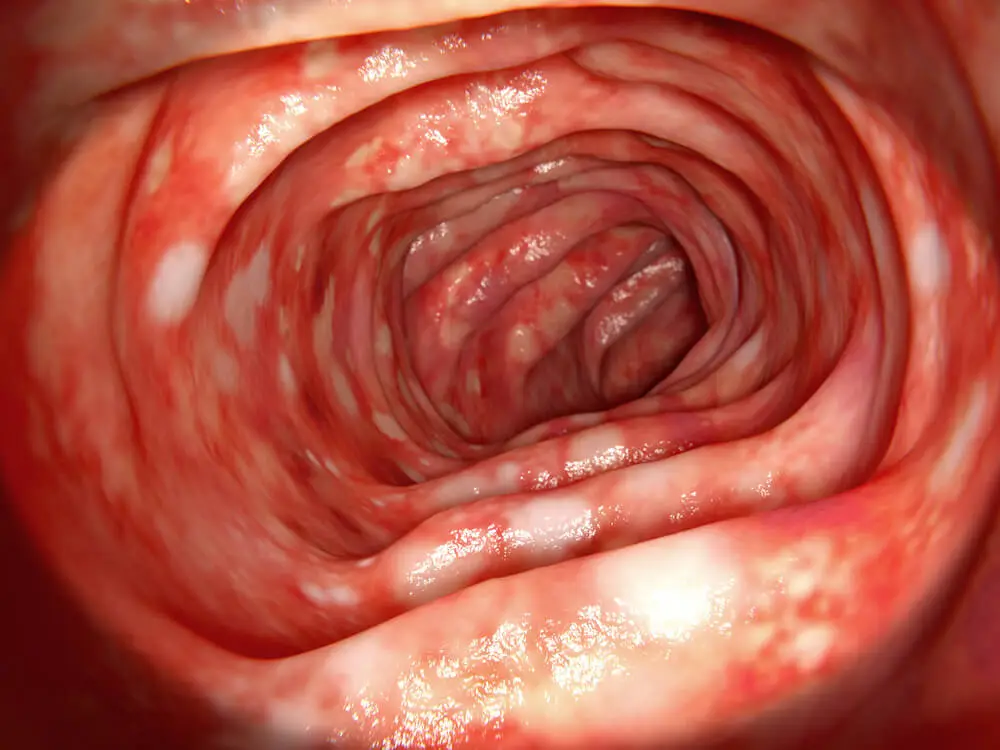
Since the symptoms of ulcerative colitis often resemble other digestive conditions like Crohn’s disease, irritable bowel syndrome, or infection, a full diagnostic workup is needed to confirm ulcerative colitis. This typically involves:
- Medical history assessment
- Physical exam
- Lab tests of blood, stool and sometimes tissue samples
- Endoscopy procedures like colonoscopy (using a tiny camera on flexible tube inserted in rectum and guided through colon)
- Imaging tests like CT scans or MRIs
- Evaluation of entire digestive tract to rule out Crohn’s disease
Treatment
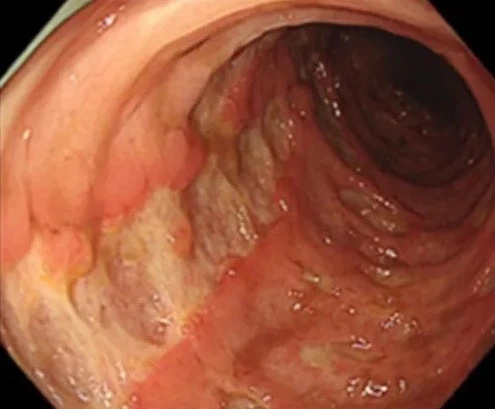
Treatment for ulcerative colitis focuses on reducing inflammation during flare ups and achieving long term remission. Options include:
- Corticosteroid medications (oral or IV) to rapidly reduce swelling
- Aminosalicylates (5-ASAs) to treat mild symptoms long term
- Immunomodulators that suppress the immune system
- Biologic therapies that block proteins leading to inflammation – Surgery to remove all or part of the colon in cases not well controlled with medications
In addition, making lifestyle changes like getting proper nutrition, staying hydrated, reducing stress, and limiting trigger foods can help ease symptoms.
Use of Biologics
For those with moderate to severe ulcerative colitis not adequately managed by other medications, biologics are increasingly being used. Biologics are made from living organisms and target specific parts of the immune response. They work by blocking tumor necrosis factor (TNF) or other proteins that trigger increased inflammation.
Some examples of biologics used for ulcerative colitis treatment include infliximab, adalimumab, golimumab, vedolizumab, and ustekinumab. These have been found effective for inducing and maintaining remission in clinical studies. However, close monitoring is needed as extended biologic therapy can increase rare cancer risks.
Research Advancements
Much progress has been made in recent years around understanding genetic markers, expanding treatment options, and improving monitoring of ulcerative colitis. Some areas researchers are currently exploring for future advancements include:
- Tailored treatment plans based on the specific genetic and immune system traits
- New biologic drugs and small molecules to more precisely target inflammation
- Enhanced endoscopic imaging techniques to assess lesions
- Biomarkers and breath tests for detecting early signs of flare ups
- Optimizing diet and gut bacteria interactions to strengthen intestinal health
- Stem cell therapy to reduce inflammation and heal damaged tissue