Hemochromatosis
Introduction
Hemochromatosis is one of the most common genetic disorders in the United States, affecting around 1 million Americans. It is an inherited condition that causes the body to absorb and store too much iron from foods that are eaten. This buildup of excess iron then gets deposited into tissues and organs, leading to possible damage over time. There are a few different types of hemochromatosis which are caused by specific genetic mutations. If unmanaged, this iron overload can lead to serious health complications. However, learning about what causes hemochromatosis, how it is diagnosed, the latest treatment methods, and how to best manage living with this disorder can help patients stay healthy.
Causes and Risk Factors
Most cases of hemochromatosis are caused by inherited genetic mutations that lead to excess iron absorption. The two key genes involved are HFE and non-HFE genes. Mutations in the HFE genes are behind classic “Type 1” hemochromatosis, with the C282Y and H63D mutations being the most common. Variations in a few other non-HFE genes can also sometimes cause iron overload. In addition to genetic causes, having a parent or sibling with hemochromatosis increases risk as does consuming alcohol regularly over time. Environmental factors may interplay with genetic risks in ways still being explored. Overall however, family history and carrying iron regulating gene mutations are the primary risk factors and direct causes of hemochromatosis in most patients.
Symptoms and Complications
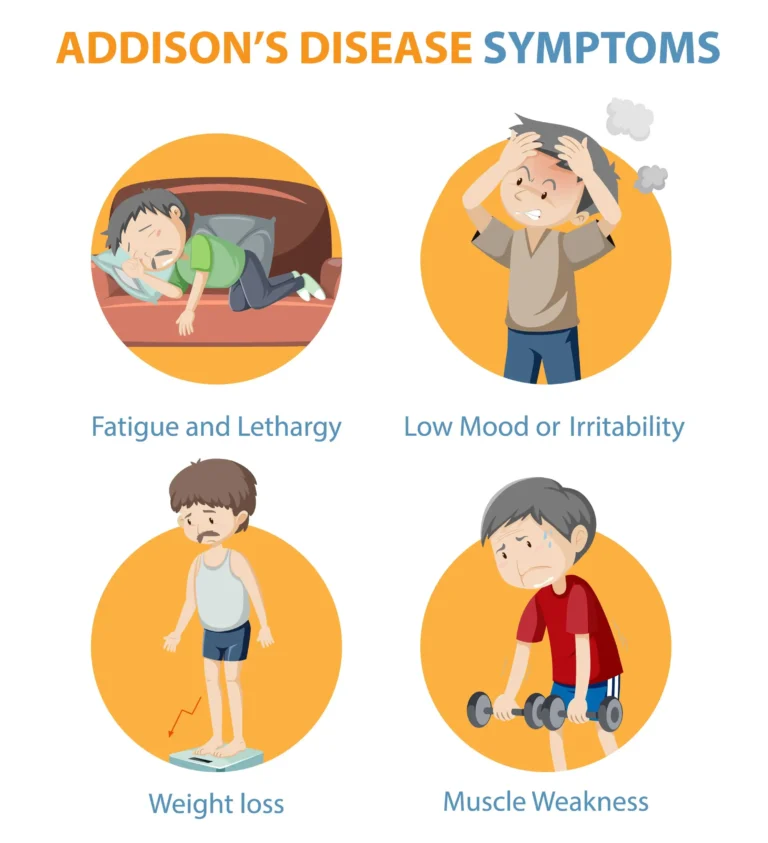
The early stages of hemochromatosis often do not cause symptoms, allowing iron to silently build up for years undetected. Some of the first noticeable symptoms that tend to emerge include chronic fatigue, muscle weakness, joint pain, loss of sex drive, and abdominal discomfort. As excess iron deposits increasingly infiltrate tissues and organs, more concerning symptoms develop like liver dysfunction, heart arrhythmias, arthritis, and skin bronzing. Ultimately, hemochromatosis can lead to permanent damage including cirrhosis, heart failure, joint damage, pituitary gland malfunction, and diabetes in patients who go a long time without treatment. Identifying the condition early and controlling iron levels prevents serious organ complications.
Diagnosis and Screening Methods

Diagnosing hemochromatosis begins with bloodwork to measure iron and ferritin levels. Elevated results signify too much iron and ferritin circulating within bodily tissues. Genetic testing can also check for mutations known to cause faulty iron metabolism like HFE gene alterations to definitively confirm a diagnosis. These lab tests combined with reported symptoms, lifestyle factors, and family history paint a picture to establish hemochromatosis.
Even asymptomatic adults with risk factors like a sibling with hemochromatosis or signs in bloodwork can request screening. Periodic monitoring for iron overload is also common in those with family history even after testing negative. Identifying iron abnormalities early is critical even without symptoms to curb over-accumulation before organ damage can start.
Treatment Options
The most common and effective treatment for almost all hemochromatosis patients is therapeutic phlebotomy done under a doctor’s care. Phlebotomy removes excess iron-rich blood, similarly to donating blood. Based on the degree of iron overload, other health factors, and genetics, a physician calculates how much and how frequently blood should be removed to decrease iron to safe levels. This is later adjusted down to a maintenance phase with fewer treatments needed only 2-4 times per year once iron normalization is sustained.
If therapeutic blood removal is not possible or appropriate, a second option involves using prescription iron chelator medication. These drugs can bind to excess iron and prevent some absorption without needing phlebotomy. Lastly, hemochromatosis patients suffering end-stage liver disease or certain hormone disorders stemming from iron damage may require transplantation procedures in special cases depending on severity.
Dietary Recommendations and Lifestyle Changes
Patients with this iron overload condition should steer clear of iron supplements, mineral supplements containing iron, and high-dose vitamin C which can further increase iron absorption. However, it is important to still consume vitamin C in fruits, vegetables, and other whole food sources for overall health – just not in supplement form. Emphasizing produce, heart-healthy fats, lean protein sources, and fiber is beneficial. Limiting alcohol and protecting liver health via nutrition and lifestyle changes is also advised by doctors.
Some researchers suggest following a Mediterranean style diet rich in produce, plant oils like olive oil, fish, nuts, seeds, and whole grains may additionally benefit those with excess iron by promoting healthy inflammation balance. Other complementary lifestyle approaches to pair with standard phlebotomy may include stress reduction, liver supporting botanical supplements, routine health screening, and cutting alcohol consumption.
Research Advancements and Future Prospects
Several active areas of hemochromatosis research show promise to improve diagnosis and personalize treatment. Exploring variations in how HFE mutation patterns influence iron overload severity may someday guide tailored therapy. Researchers also seek to further uncover why some genetic carriers accumulate too much iron yet others do not. Additionally, improving testing accuracy for iron deposits in organs beyond blood samples shows potential to better monitor treatment efficacy. Outside of conventional HFE gene-based origins, scientists work to uncover non-HFE driven causes of unexplained iron excess in some patients. Leveraging new technology, analytics, genetics, and diagnostic techniques can provide more advanced ways to predict, test for, and manage hemochromatosis moving forward.
Living Well with Hemochromatosis
While hemochromatosis requires lifelong attention and iron lab monitoring, adherence to phlebotomy protocols keeps symptoms and complications at bay. By staying compliant with treatment, many live normal healthy lives without disease progression or debilitating symptoms. Listening to your body, tracking iron labs, avoiding complicating factors, communicating openly with your care team, and committing to regular therapeutic phlebotomies provides the best protection against this disorder’s damaging effects. With proper lifestyle adjustments and consistency following modern management under a physician’s oversight, living well with managed hemochromatosis is absolutely achievable.