Irritable Bowel Syndrome
Table of Contents
Introduction
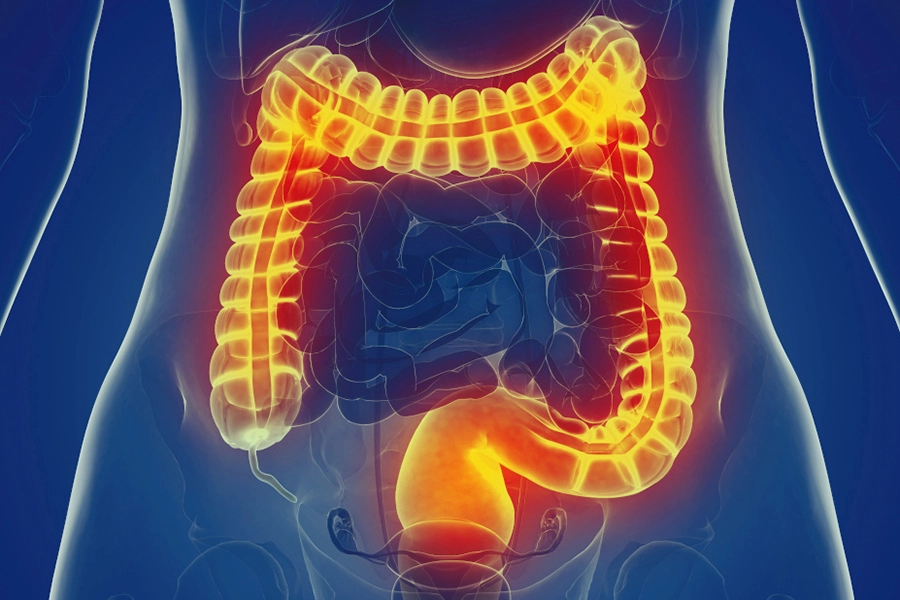
Irritable bowel syndrome (IBS) is a chronic disorder characterized by recurrent abdominal pain and bowel pattern issues—either frequent diarrhea, constipation or fluctuating between both. It affects over 10% of people globally, making it one of the most commonly diagnosed gastrointestinal conditions. The unpleasant IBS symptoms often disrupt daily life and take an emotional toll. Getting accurate information is essential to finding the right treatment plan. This guide covers the basics of irritable bowel syndrome: common signs, underlying causes, risk factors for developing IBS, related complications, how it’s diagnosed, plus the most effective diet strategies, medications and lifestyle changes to manage irritable bowel.
Hallmark Signs of IBS
While symptoms vary somewhat person-to-person, many people with IBS struggle with:
- Abdominal cramps and pain – Typically described as spasms or sharp, intermittent discomfort that’s temporarily relieved following a bowel movement or passing gas. Pain duration ranges from minutes to hours.
- Bloating – A feeling of tightness, swelling or fullness in the abdomen from trapped intestinal gas. Can cause shirts or pants to fit tighter.
- Diarrhea – Watery, loose stools with increased frequency and urgency to have a bowel movement.
- Constipation – Difficulty passing hard, dry bowel movements. Stools are often hard to pass, and bowel movements may be less frequent.
- Alternating diarrhea and constipation – Fluctuating between loose bowel movements and hard-to-pass stools. Symptom severity may also shift over weeks or months.
- Other signs – Mucus in stool, feelings of incomplete evacuation after a bowel movement, nausea, fatigue.
What’s Behind IBS Flare-Ups?
The underlying disease mechanisms of IBS aren’t fully mapped out. Contributing factors likely involve communication issues between the brain and digestive tract, increased intestinal sensitivity, imbalanced gut microbiome and malfunctioning muscles or nerves in the large intestine. Triggers like stress, foods, gut infections and hormonal shifts during menses can flare symptoms up.
Risk Factors
A combination of influences make certain people more prone to IBS, such as:
- Female gender – Twice as many women suffer from IBS. Female hormones likely play a role.
- Age – Onset often occurs before age 50.
- Family history – IBS diagnosis is more common among people who have a parent or sibling with IBS.
- Intestinal infection – Prior food poisoning or gastroenteritis increases risk for developing a sensitive digestive tract.
- Brain-gut interaction – Anxiety, depression and other mood disorders occur more often with IBS, indicating a psychosomatic component.
- Food sensitivity – Reactions to foods like dairy, beans, cabbage, wheat and artificial sweeteners provoke IBS issues in some people.
IBS Complications
IBS itself doesn’t cause permanent intestinal damage or have life-threatening effects. However, the chronic symptoms take a heavy toll on people’s emotional health and quality of life. Pain, diarrhea and urgent bowel urges especially make it difficult to readily leave the house and participate in activities. Those with very severe IBS are also at increased risk for psychological concerns like depression or anxiety disorders.
Diagnosing IBS
Since no lab test definitively confirms irritable bowel syndrome, doctors diagnose it by:
- Meeting symptom criteria – Having abdominal pain at least one day a week related to two or more of the following: defecation, changes in stool frequency or stool appearance.
- Excluding other conditions – Extensive testing to eliminate gastrointestinal infections, inflammatory bowel disease, celiac or other medical explanations for diarrhea, constipation, cramping and bloating.
- Identifying relevant history – Personal or family history of gastrointestinal difficulties and correlation between stress events or trigger foods and symptom flares.
IBS Treatment Approaches
While no standard cure for IBS exists yet and it requires long-term management, getting a personalized treatment plan significantly helps patients find adequate relief. Common integrative approaches include:
Diet Modifications:
- Limiting intake of gas-producing foods (beans, onions, broccoli)
- Trying an elimination diet to pinpoint trigger foods
- Low FODMAP diet – Eliminating fermentable carbs that can provoke IBS issues
- Ensuring adequate daily fiber consumption • Drinking more fluids
Lifestyle Adjustments:
- Stress management techniques
- Regular exercise routine
- Sufficient sleep
- Probiotics & digestive enzymes
- Gut-directed hypnotherapy
Medications:
- Antispasmodics (Hyomax, Levsin) – Relieve painful muscle spasms
- Antidiarrheals (Imodium) – Slow gut motility
- Laxatives – Softener or stimulant-type agents for constipation
- Tricyclic antidepressants (nortriptyline)
- Eluxadoline (Viberzi) – Mixed opioid action to combat diarrhea
- Rifaximin (Xifaxan) – Shown helpful for IBS diarrhea
As irritable bowel experts gradually untangle the interplay of intestinal microbes, digestive hormones, nerves, muscle contractions and brain signals behind IBS, they get closer to developing game-changing treatments. Recently, new medications aimed at specific mechanisms show encouraging benefits for IBS patients. Experimental dietary therapies like busy moms diet modification also help treat the root causes driving symptoms. Non-pharmacological techniques such as mindfulness meditation ease chronic pain too. Continued research brings us nearer to personalized solutions for irritable bowel relief.
This updated guide reviews the key aspects of living with IBS, from typical symptoms of recurrent abdominal discomfort and erratic bowel habits to multi-pronged management strategies incorporating the right lifestyle changes, stress coping methods and medications tailored to each case. Accurate awareness empowers patients on their journey towards diminishing IBS impacts and reclaiming digestive wellness.