Leptospirosis
Table of Contents
Introduction
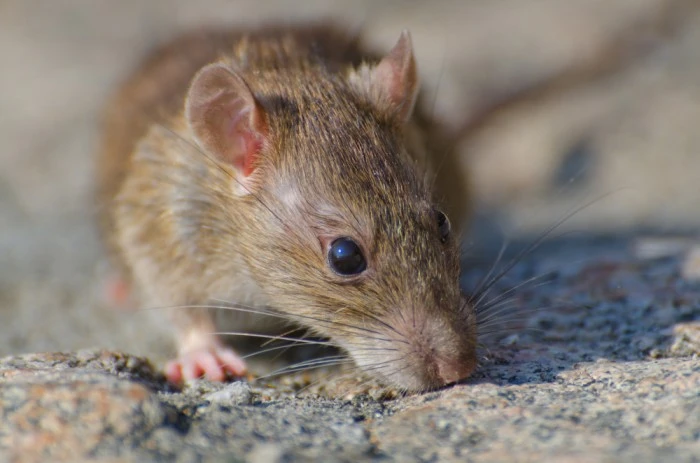
Leptospirosis is a bacterial infection caused by spiral-shaped bacteria called Leptospira. It is contracted when the bacteria enter the body through mucous membranes, abrasions in the skin, or when contaminated food or water comes into contact with eyes, nose or mouth. Leptospirosis spreads through the contact with urine from infected animals – most commonly rats, mice, cows, pigs, horses and dogs. The disease occurs worldwide but is most common in tropical and sub-tropical areas with high rainfall.
Symptoms
The symptoms of leptospirosis typically begin suddenly, between 5 and 14 days after exposure to the bacteria. The early symptoms are flu-like and may include:
- High fever
- Chills
- Muscle aches
- Conjunctival suffusion (red eyes)
- Headache
- Vomiting
As the disease progresses, more severe symptoms can appear such as:
- Meningitis (inflammation of the membranes around the brain and spinal cord)
- Liver inflammation or kidney failure with jaundice (yellowing of the skin and eyes)
- Pulmonary hemorrhage – coughing up blood – Skin rashes
In rare cases, heart inflammation, pancreatitis, and swelling of the testicles may occur. The severe form of leptospirosis is also called Weil’s disease. If not treated, leptospirosis can lead to organ damage, bleeding, respiratory failure, and even death.
Causes
Leptospirosis is caused by spiral-shaped bacteria called Leptospira interrogans. Over 250 different serovars (strains) have been identified. The bacteria thrive in tropical environments and wet soil. They can survive for weeks to months in fresh water or moist soil. Rats, mice, dogs, cows, horses and pigs carry the bacteria in their kidneys and genital tract. These animals continually shed the bacteria in their urine and contaminate the environment.
Humans become infected through:
- Contact with urine from infected animals – most often through touching contaminated soil or water
- Consuming contaminated food or water
- Exposed skin or mucous membranes that come in contact with contaminated water or soil
Certain conditions also raise the risk of being exposed such as flooding, working with animals, or recreational water activities.
Risk Factors
Those more likely to contract leptospirosis include:
- Farmers, veterinarians, fishermen, sewer workers, meat inspectors, rice field workers, military personnel – occupations involving animal contact and/or contact with contaminated water sources
- Living in crowded, urban centers lacking adequate sanitation systems
- Participating in water sports in contaminated lakes and rivers
- Men aged 20-50 years engage more frequently in high risk activities
- Flooding brings infected animals and contaminated water into closer human contact
Complications
In its early stages leptospirosis has no complications. However, if left untreated it can lead to severe illness. Potential complications include:
- Organ system complications – liver failure, meningitis, respiratory distress, acute kidney injury
- Disseminated intravascular coagulation (abnormal blood clotting)
- Pulmonary hemorrhage
- Heart inflammation
- Extreme dehydration which may result in shock, electrolyte imbalances, acidosis and kidney failure
Diagnosis
Diagnosing leptospirosis can be challenging as symptoms resemble other diseases in the early phase such as influenza, meningitis, hepatitis and dengue fever. Diagnostic tests include:
- Blood culture – cultured to allow bacterial growth
- Microscopic agglutination test (MAT) – looks for antibodies against Leptospira bacteria
- Enzyme-linked immunosorbent assay (ELISA) test – detects IgM antibodies produced in response to infection
- Polymerase chain reaction (PCR) – detects genetic material of Leptospira in blood or urine
Often a combination of diagnostic tests are done to confirm leptospirosis infection. These tests require collecting blood and urine samples over 1-2 weeks to look for rising antibody levels.
Procedures
If organ or system complications arise, additional procedures may be necessary such as:
- Kidney dialysis – to filter waste if acute kidney failure occurs
- Blood transfusion – replaces blood loss from bleeding disorders
- Oxygen therapy or mechanical ventilation – supports breathing difficulties
- Medications to maintain adequate blood pressure
Treatment
Early treatment of leptospirosis is critical to prevent progression to serious illness. Treatment normally involves:
- Oral or IV doxycycline, penicillin, or ceftriaxone antibiotics – clears infection by killing bacteria
- IV fluids and electrolytes – prevents dehydration, shock and restores mineral balance
- Medications to control fever and muscle pain
- Wound care for skin abrasions to prevent bacterial spread
- Monitoring in the hospital for organ complications – additional treatment if kidney, liver or other organ damage occurs
With early treatment, most people recover fully in a few days to weeks. However, recovery may take months without treatment or if complications arise. In severe cases, intensive hospital care is necessary which has a mortality rate of 10-50%. Rapid diagnosis and treatment are vital to reduce fatalities.
Research Advancements
Researchers continue to advance knowledge in treating and preventing leptospirosis:
- Developing effective vaccines for humans and veterinary use
- Improving diagnostic tests to enable early intervention
- Identifying antibiotic resistant strains and alternative treatments
- Understanding transmission patterns to support preventative public health policies, disaster preparedness and disease control measures
- Studying survivor immunity and pathogenesis to guide new therapies
- Investigating reservoir hosts other than rats which may spread infection
- Creating mathematical models to predict outbreaks and target interventions
While progress had been made, leptospirosis remains a significant health threat globally, especially in tropical regions plagued by poverty, flooding and large rat populations. Further research is vital to contain transmission and reduce mortality from this widespread but often overlooked bacterial disease.
In summary, leptospirosis is contracted through animal urine contaminating soil or water. Symptoms include fever, headache and vomiting which may rapidly progress to bleeding, organ failure and death. Early testing and antibiotic treatment greatly improves outcomes. Ongoing research focuses on improving diagnosis, therapies and preventative measures to control this potentially fatal bacterial disease. With increased awareness and proper precautions, infections can be minimized in high risk regions.