Crohn’s Disease
Table of Contents
Introduction
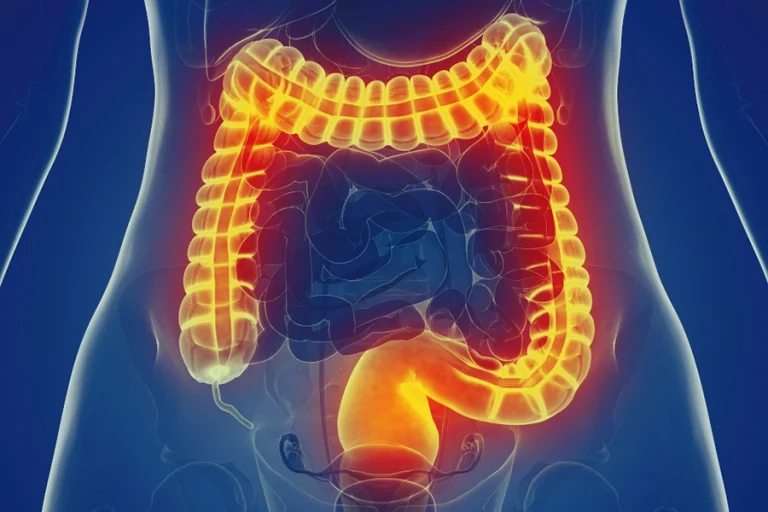
Crohn’s disease is a type of inflammatory bowel disease (IBD) that causes inflammation of the digestive tract. It can affect any part of the gastrointestinal tract, from the mouth to the anus, but it most commonly occurs in the end of the small intestine (the ileum) or the beginning of the colon. Crohn’s is a chronic condition, meaning it is lifelong, though patients may experience long periods of remission where symptoms disappear. Understanding the symptoms, causes, risk factors and treatment options for Crohn’s can help patients better manage this difficult condition.
Symptoms
Common Crohn’s disease symptoms include:
- Diarrhea
- Abdominal pain and cramping
- Fatigue and loss of appetite
- Unintended weight loss
- Mouth sores
- Fever and night sweats in some cases
The symptoms can range from mild to severe, coming and going in cycles known as flares and remission. Flare ups can be triggered by stress, certain foods, or sometimes occur for unknown reasons.
Causes & Risk Factors
While the exact cause of Crohn’s is unknown, research suggests several factors play a role:
- Immune system dysfunction: The immune system mistakes food, bacteria and other materials in the intestine for foreign or invading substances and launches an attack.
- Genetics: Mutations in over 200 genes have been linked to Crohn’s disease susceptibility. Having a close family member with Crohn’s increases risk.
- Environmental factors: Smoking, diet high in fat or processed foods, household air pollution, stress and foodborne bacteria are proposed triggers.
Additional risk factors include age (young adults are most commonly diagnosed), ethnicity (higher rates among Caucasians and Ashkenazi Jews), geography (more prevalent in urban, northern climates), and associated health conditions like type 1 diabetes, primary sclerosing cholangitis, and ankylosing spondylitis.
Complications
Potential complications of Crohn’s disease include:
- Bowel obstruction due to swelling and scar tissue
- Deep ulcerations and fistulas penetrating other organs
- Severe bleeding
- Increased cancer risk in the bowel
- Malnutrition if nutrient absorption is impaired
To minimize risks, strict monitoring and preventative care are essential for patients with Crohn’s.
Diagnosis & Procedures
Since Crohn’s symptoms overlap with other conditions like ulcerative colitis, irritable bowel syndrome and celiac disease, diagnosis involves:
- Medical history review
- Physical exam checking for tenderness, swelling, etc.
- Lab tests of blood, stool and biomarkers
- Endoscopies to view the digestive tract lining
- Imaging tests like CT scans to check bowel wall thickness
- Biopsies of tissue sampleswhen necessary
No single test can definitively diagnose Crohn’s. Doctors synthesize results from various procedures to reach a conclusion.
Treatment
Treatment focuses on resolving symptoms, achieving and maintaining remission, preventing flare ups, managing complications, and improving quality of life. Options include:
- Medications: Anti-inflammatory, immune-suppressing, antibiotic and anti-diarrheal drugs help control inflammation and bacteria levels.
- Biologic therapies: Specialized drugs target specific parts of the immune response.
- Surgery: For severe cases unresponsive to other treatment or complications like obstructions, fistulas, etc. Removal of damaged sections of intestine can provide relief but is not a cure.
- Nutrition therapy: Some patients find dietary changes help minimize flare ups.
Treatment must be tailored to each patient’s case over the long term through coordination across a care team of various specialists. There is no universally effective singular therapy for Crohn’s disease.
Use of Biologics
Biologic drugs have revolutionized treatment of Crohn’s disease. These genetically engineered mediations specifically target and neutralize inflammation-causing proteins or cells. Types of biologics used for Crohn’s include:
- Tumor necrosis factor-alpha (TNF-α) inhibitors: Block production of TNF, a protein involved in systemic inflammation. Brand names like Humira (adalimumab), Remicade (infliximab) and Cimzia (certolizumab) fall in this drug class.
- Integrin receptor antagonists: Prevent certain white blood cells from attaching to other cells and causing localized inflammation. The only approved drug is vedolizumab (Entyvio).
- Interleukin inhibitors: Still being researched, they would inhibit specific immune messenger proteins called interleukins.
While costly, the efficacy of biologics for inducing and maintaining Crohn’s remission makes them the closest current medicine gets to a “wonder drug” for the condition. However, long-term implications of manipulating the immune system require further study.
Nutrition Therapy
Diet and nutrition adjustments may help some Crohn’s patients reduce flare ups:
- Elimination diets: Removing dairy, gluten, fried/processed foods and other commonly problematic items. Reintroducing foods one at a time can identify triggers.
- Low residue diets: Restrict fiber intake to ease bowel inflammation and diarrhea. Necessary nutrients can come from thicker liquids, cooked fruits/veggies, ground meats, etc.
- Exclusive enteral nutrition: Consuming only specially formulated liquid formulas instead of any solid food, providing complete balanced nutrition with minimal digestion needed.
Such dietary interventions must be supervised by doctors and nutrition professionals to avoid malnutrition or unintended consequences. Customized meal plans can empower patients to take an active role in managing Crohn’s.
Research Advancements
Progress continues towards improved Crohn’s diagnostics and treatment:
- Growing understanding of genetic and immunologic factors allows more targeted therapies.
- Advances in endoscopy, capsule endoscopy and imaging enhance non-invasive detection of active disease and complications.
- Trials of new biologics, like ustekinumab and risankizumab show promise increasing remission rates.
- Fecal microbiome transplantation may positively modulate gut bacteria. – Stem cell transplants aim to repair intestinal cell damage, though still considered experimental.