Medicine / IM

  • Paracetamol Poisoning

    Paracetamol (also known as acetaminophen) is one of the most commonly used medications around the world for treating pain and fever. However, an overdose of paracetamol can lead to severe liver damage and even death. Paracetamol is a readily available over-the-counter medication, which means it is easy for patients to obtain and take an overdose, whether intentionally or unintentionally. Paracetamol poisoning is one of the most common causes of acute liver failure in many Western countries. While therapeutic doses of paracetamol are safe for the liver, overdoses can lead to centrilobular hepatic necrosis. The liver damage occurs due to a toxic metabolite called N-acetyl-p-benzoquinone imine (NAPQI), which causes oxidative stress and glutathione depletion.


  • Dengue Fever

    Dengue fever, also known as breakbone fever, is a mosquito-borne tropical disease caused by the dengue virus. According to the World Health Organization, dengue is one of the fastest spreading vector-borne diseases, with over 3.9 billion people in 128 countries at risk. It causes flu-like symptoms and in rare cases develops into a potentially lethal complication called severe dengue. With the disease spreading rapidly, being aware of its symptoms, causes, risk factors and learning ways to prevent is critical. 

  • HIV AIDS

    Human immunodeficiency virus (HIV) is a virus that attacks and weakens the immune system, making it harder for the body to fight infections and disease. Acquired immunodeficiency syndrome (AIDS) is the final stage of HIV infection when the immune system is badly damaged. HIV is spread through bodily fluids and mainly through unprotected sex, infected blood transfusions, hypodermic needles, and from mother to child during pregnancy, delivery, or breastfeeding. Understanding the symptoms, progression, causes, risks, diagnosis and advancements in HIV/AIDS is key to prevention and treatment.

  • Malaria

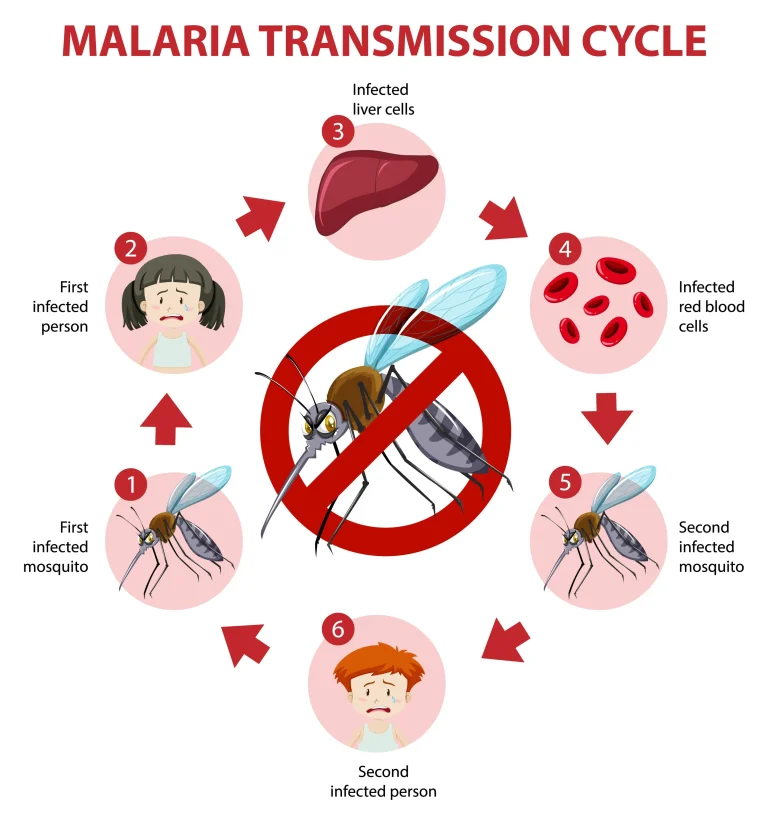
    Malaria is a life-threatening disease caused by plasmodium parasites that are transmitted to people through the bites of infected female Anopheles mosquitoes. According to the World Health Organization, there were an estimated 241 million cases of malaria worldwide in 2020, and about 627,000 deaths. Around 90% of all malaria cases and deaths occur in Africa south of the Sahara desert. Malaria is preventable and curable if promptly diagnosed and adequately treated.

  • |

    Typhoid Fever

    Typhoid fever, also known as enteric fever, is a potentially fatal illness caused by the bacterium Salmonella Typhi. For centuries, typhoid fever was a widely feared disease that caused frequent outbreaks with high death rates. While typhoid has become rare in industrialized nations, it continues to be a serious public health issue in developing countries. An estimated 11-20 million cases still occur worldwide each year. Understanding the symptoms, causes, risk factors and advances in diagnosis and treatment of typhoid is key for proper prevention and care.

  • Leptospirosis

    Leptospirosis is a bacterial infection caused by spiral-shaped bacteria called Leptospira. It is contracted when the bacteria enter the body through mucous membranes, abrasions in the skin, or when contaminated food or water comes into contact with eyes, nose or mouth. Leptospirosis spreads through the contact with urine from infected animals – most commonly rats, mice, cows, pigs, horses and dogs. The disease occurs worldwide but is most common in tropical and sub-tropical areas with high rainfall.

  • |

    Crohn’s Disease

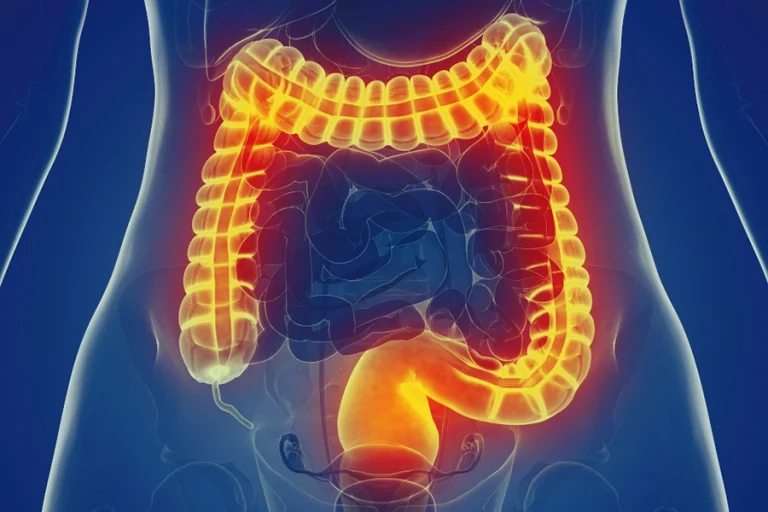
    Crohn’s disease is a type of inflammatory bowel disease (IBD) that causes inflammation of the digestive tract. It can affect any part of the gastrointestinal tract, from the mouth to the anus, but it most commonly occurs in the end of the small intestine (the ileum) or the beginning of the colon. Crohn’s is a chronic condition, meaning it is lifelong, though patients may experience long periods of remission where symptoms disappear. Understanding the symptoms, causes, risk factors and treatment options for Crohn’s can help patients better manage this difficult condition. 

  • |

    Ulcerative Colitis

    Ulcerative colitis (UC) is an inflammatory bowel disease that causes long-lasting inflammation and ulcers in the digestive tract. Specifically, UC affects the large intestine (colon) and the rectum. The symptoms typically come and go, with periods where the disease flares up and active symptoms alternate with periods of remission where the person feels better. Getting an accurate diagnosis and following an effective treatment plan to manage flares is key for those living with ulcerative colitis.

  • |

    Irritable Bowel Syndrome

    Irritable bowel syndrome (IBS) is a chronic disorder characterized by recurrent abdominal pain and bowel pattern issues—either frequent diarrhea, constipation or fluctuating between both. It affects over 10% of people globally, making it one of the most commonly diagnosed gastrointestinal conditions. The unpleasant IBS symptoms often disrupt daily life and take an emotional toll. Getting accurate information is essential to finding the right treatment plan. This guide covers the basics of irritable bowel syndrome: common signs, underlying causes, risk factors for developing IBS, related complications, how it’s diagnosed, plus the most effective diet strategies, medications and lifestyle changes to manage irritable bowel.