Rheumatoid Arthritis
Table of Contents
What is Rheumatoid Arthritis?
Rheumatoid arthritis is an autoimmune disorder, meaning the body’s immune system attacks its own healthy tissues. In the case of RA, the immune system targets the synovium – the thin membrane that lines the joints. This causes inflammation, swelling, pain, and stiffness in the joints. Over time, uncontrolled inflammation can damage the cartilage and bone within joints.
RA commonly affects the small joints of the hands and feet, but can impact other joints like the wrists, elbows, knees, ankles, hips, and shoulders. If inflammation persists, it can cause permanent joint damage and deformity. RA can occur at any age but most commonly develops between the ages of 30-60.
Symptoms of Rheumatoid Arthritis
The most common symptoms of RA include:
- Joint swelling, tenderness, pain or stiffness, especially in the smaller joints of the hands and feet
- Fatigue, lack of energy, weakness
- Low-grade fever
- Loss of appetite
- Firm bumps under the skin (rheumatoid nodules)
- Rheumatoid arthritis symptoms often affect both sides of the body simultaneously i.e. pain in both wrists or knees. This is referred to as a symmetric pattern.
Symptoms may come and go over time. During a flare-up, symptoms are more active. Periods of remission offer symptom relief. Over time, untreated RA can cause permanent joint damage.
Causes and Risk Factors
The exact cause of RA is unknown, but believed to involve a combination of genetic and environmental factors.
- Genetics – People with a family history of rheumatoid arthritis have an increased risk. Specific genes like HLA can increase susceptibility.
- Age and Gender – RA onset most commonly occurs between ages 30-60. Women get rheumatoid arthritis 2-3 times more than men.
- Smoking – Smoking is the top controllable risk factor for developing rheumatoid arthritis. Quitting can lower risk.
- Environment – Viral or bacterial infections may trigger the autoimmune response in those with genetic predisposition.
Complications from Rheumatoid Arthritis
Left untreated, rheumatoid arthritis can cause:
- Joint damage – Persistent inflammation damages cartilage and bone around joints. This causes deformity, decreased mobility and disability.
- Heart problems – Chronic inflammation from RA raises risks for cardiovascular disease like atherosclerosis.
- Lung disease – Some with RA develop complications like interstitial lung disease.
- Osteoporosis – The immune system chemicals that destroy bone can lead to weakened bones.
- Eye issues – Dryness and inflammation can reduce tear production, causing eye pain and vision problems.
- Nervous system disorders – Inflammation from RA can cause pinched nerves (carpal tunnel syndrome).
Diagnosing Rheumatoid Arthritis
There is no single test to definitively diagnose rheumatoid arthritis. Doctors will use a combination of approaches:
- Reviewing medical history – The doctor will ask about symptoms, when they started, family history of RA, and other health conditions.
- Physical examination – Checking for joint swelling, pain, and range of motion. Looking for rheumatoid nodules under the skin.
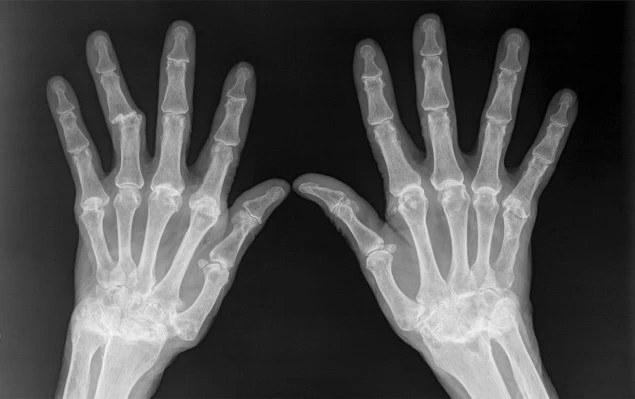
- Imaging tests – X-rays, ultrasounds or MRI scans help detect bone and cartilage damage.
- Blood tests – Bloodwork helps rule out other types of arthritis and measure inflammation via ESR and CRP levels. Rheumatoid factor and anti-CCP antibodies can confirm RA diagnosis but are not present in all cases.
Early RA diagnosis and treatment is important to prevent irreversible joint damage. If RA is suspected, see a rheumatologist who specializes in autoimmune diseases for proper diagnosis and disease management.
Treatments for Rheumatoid Arthritis
While there is no cure for rheumatoid arthritis, early treatment helps control inflammation and joint damage. Treatment plans are tailored to the individual and may include medications, physical therapy, surgery, and lifestyle changes.
Medications
- DMARDs – Disease-modifying antirheumatic drugs like methotrexate can slow disease progression by reducing inflammation. Often the first line of defense.
- Biologics – Target specific parts of the immune system. Effective for those who don’t respond to DMARDs alone.
- NSAIDs – Non-steroidal anti-inflammatory drugs like ibuprofen provide pain relief but don’t slow joint damage.
- Corticosteroids – Powerful anti-inflammatories like prednisone offer short-term symptom relief during flares.
- Analgesics – Pain relievers like acetaminophen or prescription opioids help manage joint pain.
- Alternative Therapies
- Physical therapy – Stretches and exercises improve mobility and strengthen muscles around joints. Can ease pain and stiffness.
- Occupational therapy – Develop ways to protect joints during daily tasks like opening jars, typing, or getting dressed.
- Surgery – Joint replacement surgery for severely damaged joints to improve function and mobility.
- Lifestyle changes – Quitting smoking, managing stress, getting enough rest, and eating an anti-inflammatory diet may help reduce RA symptoms.
While challenging, living with rheumatoid arthritis is possible thanks to modern treatments. The key is starting medication quickly and finding the right treatment plan. With the help of your rheumatologist and support from occupational therapists and dietitians, those with RA can manage pain, protect their joints, and stay active.