HIV AIDS
Table of Contents
Introduction
Human immunodeficiency virus (HIV) is a virus that attacks and weakens the immune system, making it harder for the body to fight infections and disease. Acquired immunodeficiency syndrome (AIDS) is the final stage of HIV infection when the immune system is badly damaged. HIV is spread through bodily fluids and mainly through unprotected sex, infected blood transfusions, hypodermic needles, and from mother to child during pregnancy, delivery, or breastfeeding. Understanding the symptoms, progression, causes, risks, diagnosis and advancements in HIV/AIDS is key to prevention and treatment.
Symptoms and Stages
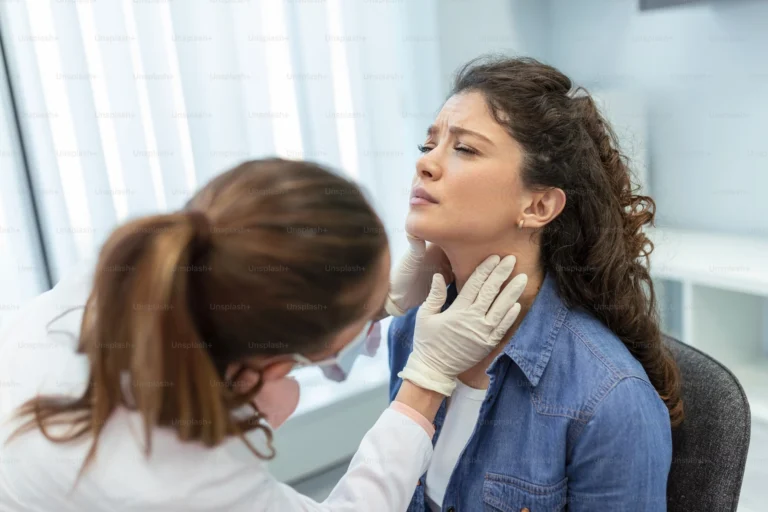
Many people with HIV do not show symptoms for 10 years or longer. Some common symptoms include fever, headache, sore throat and swollen lymph glands which can last from a few days to weeks. These symptoms can come and go without a clear pattern. The stages HIV infection are divided into 3 main phases:
- Primary Infection – Within 2 to 4 weeks of infection, many may experience flu-like symptoms. This phase usually lasts for a few weeks.
- Clinical Latency – During this asymptomatic phase, HIV reproduces at low levels and may not show symptoms for years. Untreated, this period can last for over 10 years.
- AIDS – Over time HIV destroys immune cells and chronic symptoms develop including rapid weight loss, fever or night sweats, fatigue and recurrent infections. Life-threatening illnesses also emerge.
Progression to AIDS
Without treatment, HIV usually progresses to AIDS within 8-10 years as the immune system gradually weakens. AIDS is diagnosed when:
- The CD4 cell count drops below 200 cells/ mm3
- CD4 percentage is less than 14%
- Life-threatening opportunistic infections or cancers appear
Causes and Transmission
HIV is transmitted via certain body fluids from an HIV infected person including:
- Blood
- Semen
- Vaginal and rectal fluids
- Breast milk
Common ways HIV spreads:
- Unprotected anal or vaginal sex
- Sharing needles and syringes
- From mother to child during pregnancy, birth or breastfeeding
- Blood transfusions (now extremely rare in developed countries due to screening)
Risk Factors
Anyone can contract HIV, however those at most risk include:
- Having unprotected anal or vaginal sex
- Having another STI such as syphilis, herpes, chlamydia or gonorrhea
- Sharing needles while injecting drugs, steroids or tattoos
- Being born to an HIV positive mother
- Being sexually assaulted
- Having a partner who is HIV positive or engages in high risk behavior
- Men who have sex with men
Complications
Without treatment, HIV compromises the immune system leading to illness. Common complications include:
Opportunistic Infections – Infections causing pneumonia, gastrointestinal illness, skin rashes and cancers take advantage of weakened immunity including Tuberculosis, Candida infections, CMV infection and PJP pneumonia.
Neurological Complications – HIV enters the brain early on and may cause HIV-associated neurocognitive disorder (HAND) with symptoms like memory loss, confusion, behavioral changes and difficulty walking.
Cancers – Increased risk of cancers like lymphomas, Kaposi sarcoma, and cervical cancer.
Other Issues – Those with HIV often deal with weight loss, fever, fatigue, sores in mouth, skin rashes, swollen glands, muscle and joint pain.
Testing and Diagnosis
HIV testing detects HIV antibodies or antigens in blood or oral fluid. If first test is positive, a second test conducted is used to confirm HIV diagnosis. Common HIV tests include:
Antibody test – HIV antibodies are detected from a blood sample or oral swab in as little as 45 days after infection.
Antigen/antibody test – HIV antigens are detected before antibodies, allowing earlier detection of HIV.
Nucleic acid test (NAT) – Detects HIV genetic material and can confirm HIV infection 1-2 weeks after exposure.
Treatment and Prevention
While no cure exists for HIV, proper antiretroviral therapy (ART) can control the virus and prevent transmission allowing people with HIV to live long, productive lives. ART helps lower viral load, prevents HIV related complications and reduces risk of transmission to others. Treatment guidelines recommend starting ART immediately after diagnosis.
In addition to ART, preventing transmission is critical to stopping spread of HIV. Preventative measures include:
- Using condoms correctly every time during sex
- Taking pre-exposure prophylaxis (PrEP) medication
- Only using new, sterile needles and syringes
- Getting tested and notifying partners about any positive results
Research Advancements
- Development of long-acting ART injections and implants lasting for 1 to 6 months avoid taking daily medication.
- Broadly neutralizing HIV antibodies (bnAb) fight multiple HIV strains and help strengthen immune responses.
- Therapeutic vaccines in testing help patients control HIV without ART, keeping it in remission.
- Replicating vector platform introduces genetic mutations making cells resistant to HIV infection.
- Gene therapy and genome editing approaches aim to remove HIV DNA from infected cells.
While HIV remains incurable, expanded access to prevention strategies, earlier testing, new treatment options and promising pipeline advances provide reason for optimism in pandemic control. Ongoing research efforts and support for those living with HIV can help mitigate transmission, improve health outcomes and save lives.