Paracetamol Poisoning
Table of Contents
Introduction
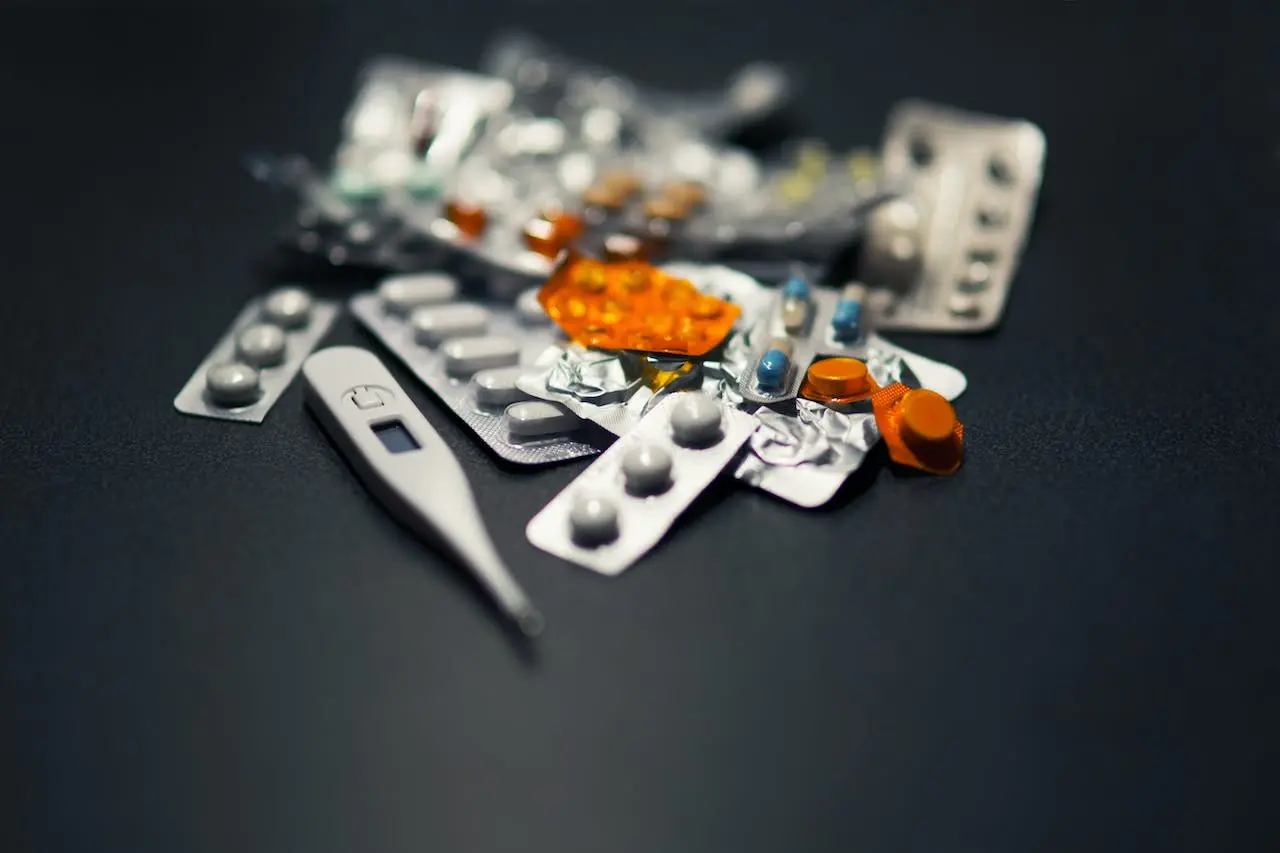
Paracetamol (also known as acetaminophen) is one of the most commonly used medications around the world for treating pain and fever. However, an overdose of paracetamol can lead to severe liver damage and even death. Paracetamol is a readily available over-the-counter medication, which means it is easy for patients to obtain and take an overdose, whether intentionally or unintentionally. Paracetamol poisoning is one of the most common causes of acute liver failure in many Western countries. While therapeutic doses of paracetamol are safe for the liver, overdoses can lead to centrilobular hepatic necrosis. The liver damage occurs due to a toxic metabolite called N-acetyl-p-benzoquinone imine (NAPQI), which causes oxidative stress and glutathione depletion.
Toxic Doses
The recommended maximum daily dose of paracetamol is 4 grams per day for adults and 90 mg/kg/day for children. Acute liver damage is extremely rare after ingestion of less than 150 mg/kg or 7.5 grams per day in adults. However, doses above 200 mg/kg or 10 grams per day can cause severe hepatotoxicity. Individuals who regularly drink alcohol and patients using enzyme inducers like antiepileptic medications are at an increased risk for toxicity even at lower doses.
Risk Assessment
It is critical to obtain a detailed history of the time and amount of ingestion. Factors that increase the risk of hepatic damage include large single ingestions above 150 mg/kg, repeated supratherapeutic ingestions, underlying liver disease, chronic alcohol use, chronic malnutrition, and use of drugs that induce liver enzymes. Plotting the dose ingested on the Rumack-Matthew nomogram predicts toxicity risk.
Rumack Matthew Nomogram
This nomogram plots the paracetamol dose ingested on the x-axis and the serum paracetamol level on the y-axis. It estimates the probability of hepatotoxicity based on time post ingestion. The nomogram is not valid before 4 hours or after 15 hours post ingestion.

Physical Examination
Look for signs of liver injury like jaundice and right upper quadrant tenderness. Other findings may include nausea, vomiting, sweating and malaise. Monitor blood glucose as hypoglycemia may occur.
Investigations
- Serum paracetamol level – plot on Rumack Matthew nomogram to guide treatment
- Liver function tests – AST, ALT, INR, creatinine
- Arterial blood gas analysis
- Chest x-ray if aspiration suspected
Monitoring
Patients with acute paracetamol poisoning require monitoring in a high dependency or intensive care setting. Regularly monitor:
- Vital signs – hypertension may indicate liver injury
- Fluid and electrolyte balance
- Glucose levels
- Acid-base status
- Signs of hepatic encephalopathy like altered mentation
- INR and liver function tests
Management and Treatment
1. ABCs – Secure airway, breathing and circulation as needed
2. GI decontamination
- Activated charcoal if within 2 hours of ingestion
- Consider gastric lavage if large ingestion within 1 hour
3. N-acetylcysteine (NAC) antidote
- IV NAC if possible hepatic damage based on nomogram
- Continue NAC until paracetamol level is undetectable
4. Supportive care
- Fluid resuscitation
- Correct electrolyte imbalances
- Watch for hypoglycemia
5. Consider transfer for liver transplant evaluation in cases of fulminant liver failure
6. Psychiatric assessment and support post recovery