Knowledge Hub

  • Paracetamol Poisoning

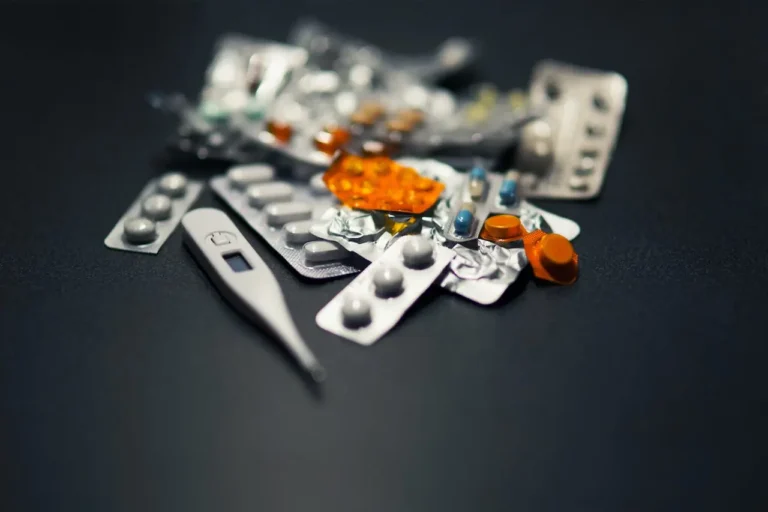
    Paracetamol (also known as acetaminophen) is one of the most commonly used medications around the world for treating pain and fever. However, an overdose of paracetamol can lead to severe liver damage and even death. Paracetamol is a readily available over-the-counter medication, which means it is easy for patients to obtain and take an overdose, whether intentionally or unintentionally. Paracetamol poisoning is one of the most common causes of acute liver failure in many Western countries. While therapeutic doses of paracetamol are safe for the liver, overdoses can lead to centrilobular hepatic necrosis. The liver damage occurs due to a toxic metabolite called N-acetyl-p-benzoquinone imine (NAPQI), which causes oxidative stress and glutathione depletion.

  • Plant Based Diet Can Help Prevent Diabetes

    As rates of obesity, heart disease, and diabetes continue to climb globally, what we eat matters more than ever before. A growing body of research indicates that transitioning to a predominantly plant-based diet can have profound benefits on human health and longevity, as well as environmental sustainability. However, as a new 12-year study published in Diabetes & Metabolism highlights, in order to reap these benefits, it’s critical to focus on eating healthy, whole plant foods while limiting intake of highly processed options.

  • A Promising New Treatment for Triple-Negative Breast Cancer

    Triple-negative breast cancer (TNBC) is an aggressive subtype of breast cancer that lacks expression of estrogen and progesterone receptors and HER2. Unlike other breast cancer subtypes, TNBC does not respond to hormonal or HER2-targeted therapies, making treatment options limited. Researchers have been investigating novel therapeutic approaches, including immunotherapies, to improve outcomes in metastatic TNBC.

  • Chia Seeds May Help Lower Blood Pressure And Reduce The Risk Of Cancer.

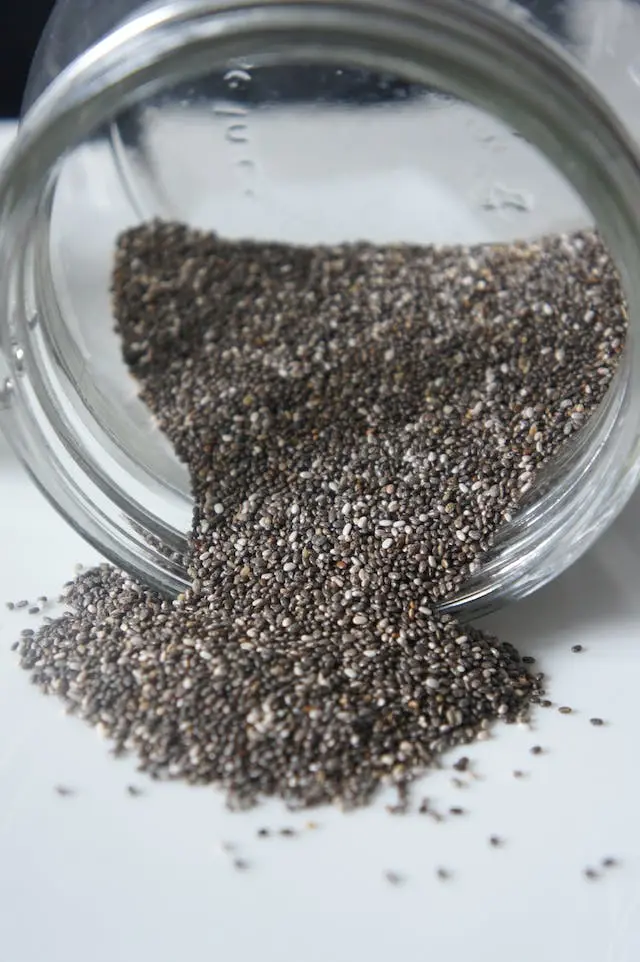
    A new research review published in January 2023 suggests that consuming chia seeds may help lower blood pressure and reduce the risk of cancer. The paper adds to previous evidence on the health benefits of chia seeds, a nutrient-dense food native to South America. This article explores what the latest research tells us, why chia seeds may be beneficial for hypertension and cancer prevention, and how to safely add more chia seeds into your diet.

  • Dengue Fever

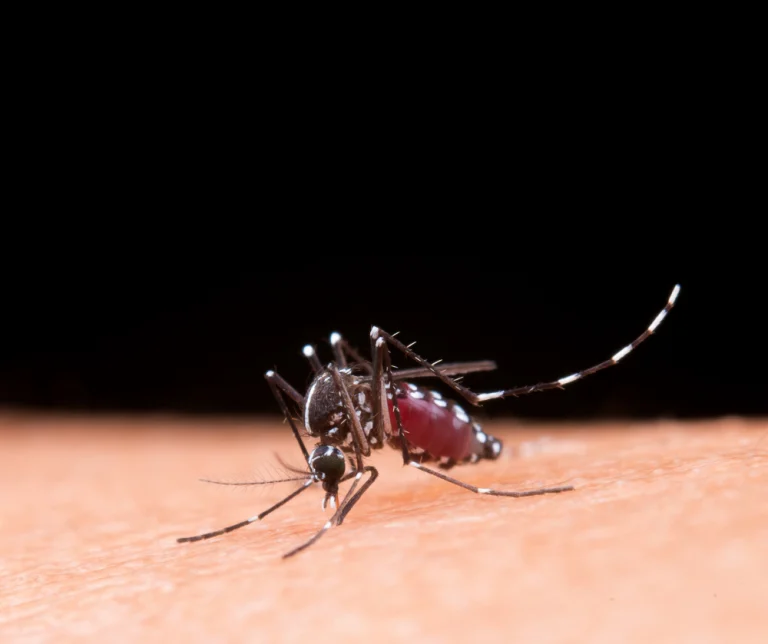
    Dengue fever, also known as breakbone fever, is a mosquito-borne tropical disease caused by the dengue virus. According to the World Health Organization, dengue is one of the fastest spreading vector-borne diseases, with over 3.9 billion people in 128 countries at risk. It causes flu-like symptoms and in rare cases develops into a potentially lethal complication called severe dengue. With the disease spreading rapidly, being aware of its symptoms, causes, risk factors and learning ways to prevent is critical. 

  • HIV AIDS

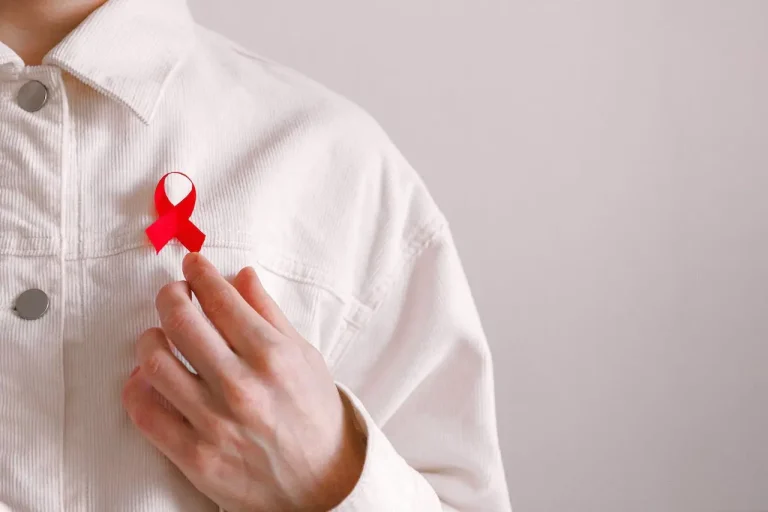
    Human immunodeficiency virus (HIV) is a virus that attacks and weakens the immune system, making it harder for the body to fight infections and disease. Acquired immunodeficiency syndrome (AIDS) is the final stage of HIV infection when the immune system is badly damaged. HIV is spread through bodily fluids and mainly through unprotected sex, infected blood transfusions, hypodermic needles, and from mother to child during pregnancy, delivery, or breastfeeding. Understanding the symptoms, progression, causes, risks, diagnosis and advancements in HIV/AIDS is key to prevention and treatment.

  • Malaria

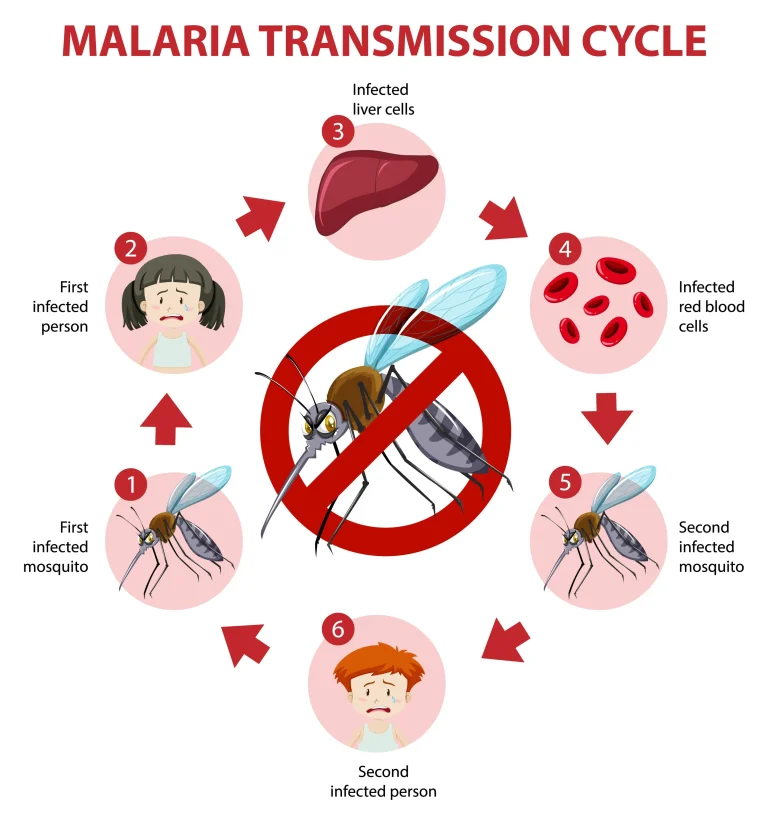
    Malaria is a life-threatening disease caused by plasmodium parasites that are transmitted to people through the bites of infected female Anopheles mosquitoes. According to the World Health Organization, there were an estimated 241 million cases of malaria worldwide in 2020, and about 627,000 deaths. Around 90% of all malaria cases and deaths occur in Africa south of the Sahara desert. Malaria is preventable and curable if promptly diagnosed and adequately treated.